What are you looking for?

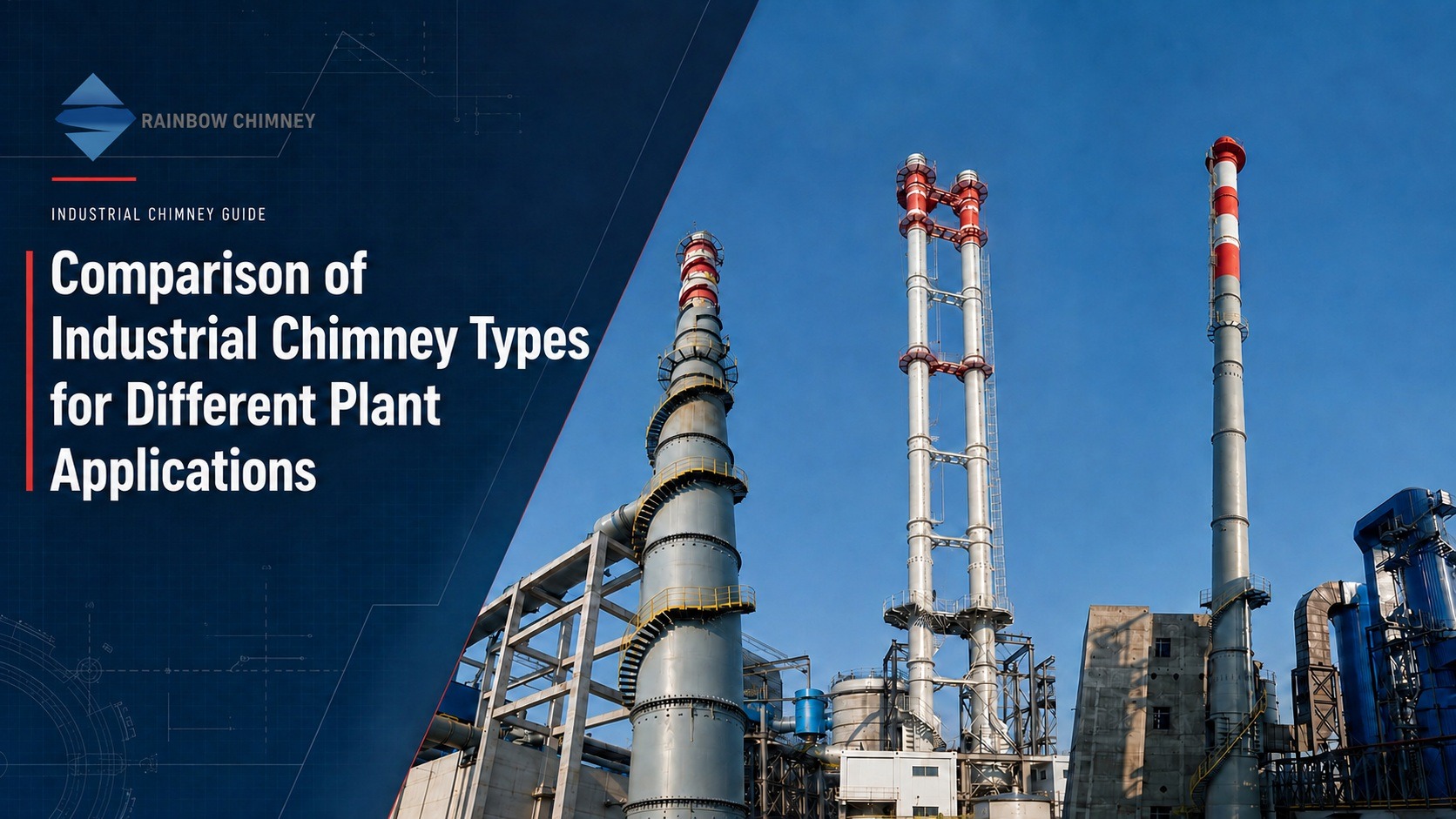
You must pick the right industrial chimney. This keeps your facility safe. It also helps your work run smoothly. A good chimney lets exhaust gas leave safely. It helps you follow environmental laws. It lowers the chance of legal problems. New options, like RAINBOW Chimney, bring new ideas. They can be made to fit what you need. When picking a chimney, look at the material. Think about the design. Make sure it works for your job.
Helps exhaust gas spread out
Works with devices that check emissions
Picking the right industrial chimney keeps people safe and follows the law.
Chimney types, such as masonry, concrete, and steel, fit certain jobs because of their materials and shapes.
Checking and fixing chimneys often helps them last longer and work well.
Think about how much it costs at first and how much it will cost to keep up when you choose a chimney.
Talking to experts can help you make smart choices and not waste money.
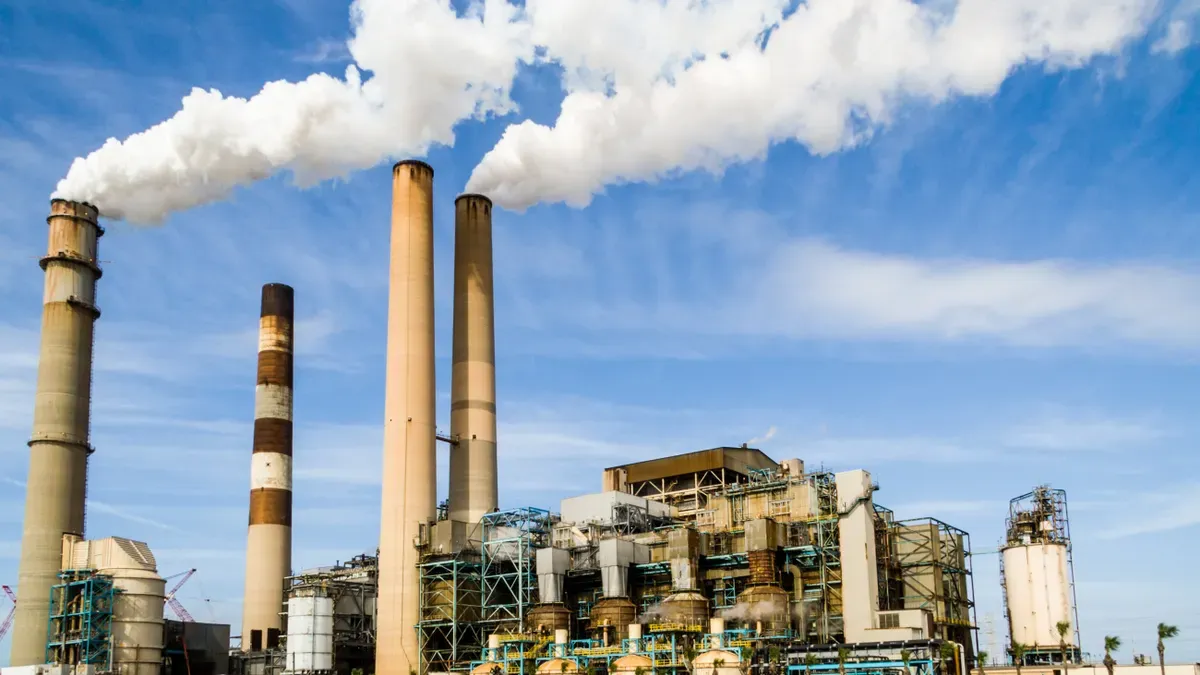
Image Source: pexels
Industrial chimneys have a few main types. Each type uses different materials and ways to build. Some types work better for certain jobs.
Masonry chimneys use bricks, blocks, or stone. Builders put them together with mortar at the site. These chimneys last a long time if cared for. You see them in old factories or places with tradition. Masonry chimneys stand up to weather and can last many years.
Concrete chimneys use reinforced concrete. They are good for tall buildings. You find them in power plants and big industrial sites. Concrete gives strength and keeps the chimney stable. These chimneys handle high heat and strong winds.
Steel chimneys use strong metal sheets. They are lighter than concrete or masonry. You can build them fast. Steel chimneys fit many modern factories and plants. RAINBOW Chimney is a leader here. They use special coatings and smart systems to stop rust and make things safer. You can pick the height, shape, and features you want.
Tip: Steel chimneys often have special linings and coatings. These protect against acid and weather damage.
Prefabricated metal chimneys are made in factories. Workers put them together at the site. These chimneys use stainless steel or other metals. They are common in commercial buildings and smaller industrial sites. Prefabricated chimneys are quick to install and cost less than masonry or concrete.
Here is a table showing common stainless steel grades used in industrial chimneys:
Grade | Composition | Applications | Advantages | Limitations |
|---|---|---|---|---|
304 | 18% Cr, 8% Ni | Residential chimneys | Great at stopping rust | Not good for coastal areas |
316 | 16% Cr, 10% Ni, 2% Mo | Industrial chimneys | Stops acids well | Costs more than 304 |
430 | 17% Cr, little/no Ni | Outer walls of chimneys | Cheap, works in dry places | Not strong in humid conditions |
Specialized chimneys include cluster, tower, and self-supporting designs. These are made for special needs in big plants or unique projects. RAINBOW Chimney offers custom solutions here. They use digital twin monitoring, smart systems, and green engineering. These features help lower emissions and keep your chimney working well.
Masonry: Built at the site, very strong.
Prefabricated: Made in factories, easy to set up.
Specialized: Custom-built for tough jobs.
Pick your industrial chimney based on your site, needs, and future plans.
You should check the material and structure before picking a chimney. Materials like brick, concrete, and steel change how chimneys work. Steel is strong and not heavy. Brick and concrete last a long time. Structure helps the chimney stand up to wind, heat, and chemicals. You can choose a chimney that fits your site and needs.
Tip: Steel chimneys do not rust easily and can handle high heat. Concrete chimneys stay steady in bad weather.
You can pick single wall or double wall designs. Single wall chimneys have one layer. They work well where heat loss does not matter much. Double wall chimneys have two layers with insulation between them. This keeps heat inside and stops the outside from getting too hot. Double wall chimneys save energy and keep your building safe.
Single wall: Simple and quick to put up.
Double wall: Keeps heat in, safer for people and equipment.
Height and shape are important for chimneys. Tall chimneys spread exhaust gases farther away. Shape changes how air moves and how steady the chimney is. Look at the table below to see the differences:
Factor | Influence on Stability and Emissions Dispersion |
|---|---|
Changes how thin the chimney is and how it bends. It makes the chimney react more to side forces. | |
Geometry | Changes how air flows and how gases spread. It helps meet rules and work needs. |
Tapered Profile | Makes the chimney stronger by lowering stress and making the bottom more stable. |
This information helps you pick the best height and shape for your chimney.
Performance and efficiency help your chimney work well. Good design lets exhaust gases leave fast. Efficient chimneys use less energy and keep emissions low. You can make your chimney better by picking the right material, wall type, and shape. RAINBOW Chimney uses smart systems and strong materials to help you stay safe and follow rules.
Note: Efficient chimneys keep workers safe and help you follow environmental laws.
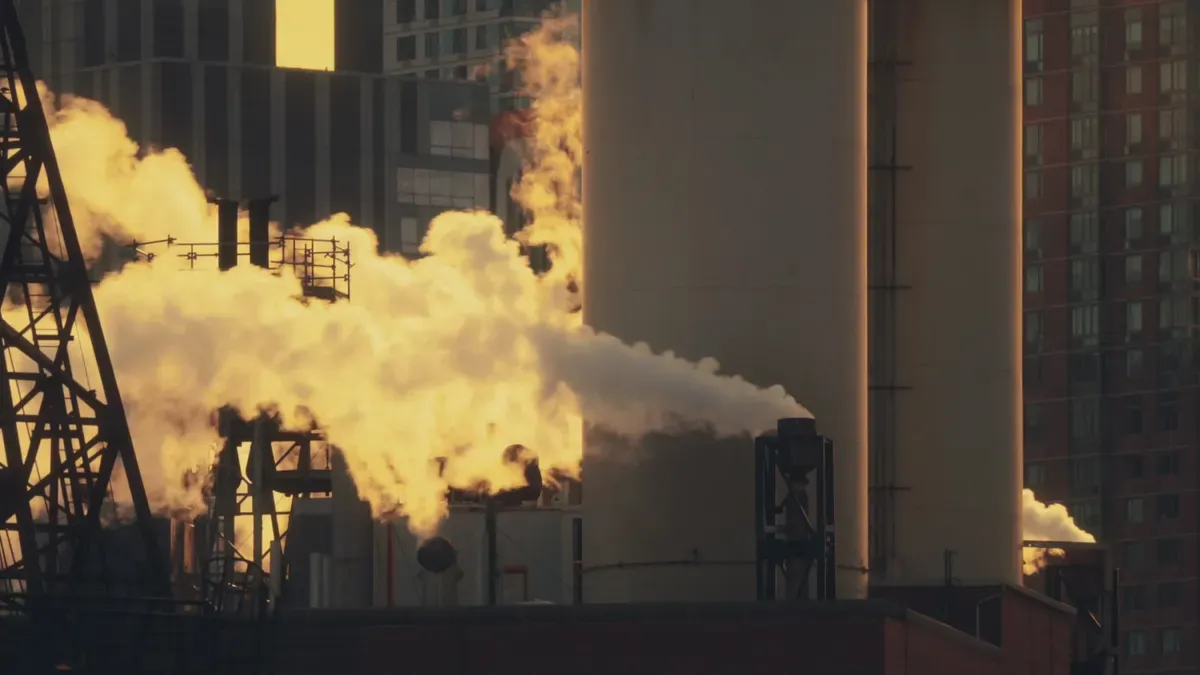
Image Source: pexels
Masonry chimneys are made from bricks or stones. They are common in old factories and places with history. These chimneys can handle heat well. They stay strong for many years. People like them because they look classic and are stable.
Strengths:
Handles high heat and stays strong
Lasts a long time if cared for
Good for places with tradition
Weaknesses:
Water can hurt them if not checked often
Fixing them can cost a lot, especially big repairs
They are heavy and take longer to build
Maintenance and Cost Table:
Repair Type | Cost Range |
|---|---|
Simple Crack Repair | |
General Repairs | $250 to several thousand |
Full Rebuild of Chimney | Over $10,000 |
Best Uses:
Masonry chimneys are best for places that want tradition. They are good for old factories, mills, and some power plants.
Note: If you do not check for water problems, masonry chimneys can break down faster.
Concrete chimneys use reinforced concrete. They are found in power plants and big industrial sites. These chimneys are tall and can stand strong winds.
Strengths:
Very strong for tall buildings
Stands up to wind and bad weather
Handles high heat well
Weaknesses:
Heavy and needs strong bases
Takes more time to build than steel or prefabricated types
Repairs can be hard to do
Best Uses:
Concrete chimneys are good for power stations and chemical plants. They work well where you need a tall and steady chimney.
Tip: Concrete chimneys are best for places with tough weather or where you need a tall stack.
Steel chimneys use metal sheets. They are quick to build. You can pick the height and shape you want. RAINBOW Chimney is a leader in steel chimneys. They offer custom designs and have international certifications.
Strengths:
Light and fast to put up
Can be made any height or shape
Stops rust with special coatings and linings
Certified for safety and quality everywhere
Weaknesses:
Needs checks for rust, especially in tough places
May need special linings for strong gases
Performance Features:
The inside liner keeps out heat, erosion, and rust.
Borosilicate linings help with strong gases.
Special steels are good for natural gas.
Best Uses:
Steel chimneys are great for modern factories and power plants. They are good for projects needing fast setup or custom design. RAINBOW Chimney systems are trusted in over 50 countries.
Note: Steel chimneys from RAINBOW have smart monitoring and safety systems.
Prefabricated metal chimneys are made in factories. They are ready to install. You see them in commercial buildings, hospitals, and small factories.
Strengths:
Easy and quick to set up
Costs less at first than masonry or concrete
Good for projects with tight deadlines
Weaknesses:
Needs regular checks and cleaning to stay safe
Maintenance can add up over time
Maintenance Insights:
Maintenance may be about 17% of total service money by 2025.
Checking and fixing early with digital tools saves money and keeps chimneys working longer.
Maintenance is growing fast and will keep growing through 2034.
Best Uses:
Prefabricated metal chimneys are best for hotels, hospitals, offices, and small factories. They are good when you need a fast and reliable chimney.
Tip: Regular care keeps your prefabricated chimney safe and working well for years.
Specialized chimneys include cluster, tower, and self-supporting types. RAINBOW Chimney offers many custom options. You can pick features like digital monitoring and smart controls.
Strengths:
Made for special jobs in industry
Has advanced features for safety and performance
Used in many places, like generator exhaust and fire-resistant systems
Customization and Application Table:
Application Type | Description |
|---|---|
Building Heating | Custom solutions for heating systems in buildings |
Generator Exhaust | Specialized chimneys for generator exhaust |
Grease Ducts | Handles grease and smoke from cooking |
Special Gas Venting | Tailored for venting special gases |
Engineered Stacks | Custom stacks for unique industrial needs |
Fire-Resistant Systems | Advanced fire protection for safety |
Draft Control Systems | Optimizes draft in chimneys |
Space-Saving Solutions | Slim designs for tight spaces |
Special Linings:
Gunite linings are good for high heat and save energy.
Borosilicate block linings resist chemicals and heat.
Vinyl ester resin linings stop corrosion.
Best Uses:
Specialized chimneys are best for places with strict safety or space needs. They are used in energy plants, chemical factories, and places with special venting needs. RAINBOW Chimney is known for making these advanced chimneys worldwide.
Note: Specialized chimneys from RAINBOW meet top standards for safety and performance.
You must pick the right chimney for power plants. Power stations use different fuels. They make lots of emissions. Chimney height and material are important for safety. They also help keep air clean. Look at the table below for main choices:
Chimney Type | Height Range | Typical Use | Advantages | Disadvantages |
|---|---|---|---|---|
Reinforced Concrete Chimneys | 80 m to 300+ m | Large coal-fired or lignite-fired power stations | High structural stability, long life, good resistance to wind and seismic forces | Longer construction period, higher initial capital cost |
Steel Chimneys | 30 m to 150 m | Medium-size and small power plants | Fast installation, reduced weight, suitable for upgrades | Needs regular maintenance, shorter design life |
Hybrid and Multi-Flue Systems | Varies | Large power plant units, multi-boiler installations | Reduced footprint, centralized maintenance, better land use | N/A |
FRP and Specialty Material Chimneys | Up to 120–160 °C | Low to medium temperature applications | Excellent corrosion resistance, lightweight, good thermal insulation | Strict temperature control required, special repair techniques needed |
Tip: Reinforced concrete chimneys are best for big power plants. Steel chimneys are faster for smaller plants.
These plants use strong chemicals and high heat. Chimneys must resist corrosion and handle tough gases. Steel and special linings work well here. Hybrid systems can help with many exhaust streams. Always pick the right liner to protect from acids and heat.
Factories need flexible chimney options. Steel chimneys are quick to set up. Prefabricated metal chimneys fit smaller sites. If your plant uses special gases, choose a custom liner. Cluster or tower designs save space and help draft control.
Commercial and residential buildings have different rules. Commercial sites use bigger appliances and need stronger chimneys. Residential systems are smaller and simpler. The table below shows the main differences:
Criteria | Commercial Requirements | Residential Requirements |
|---|---|---|
Flue Gas Temperature | Systems exceeding UL 103 HT ratings transition to industrial standards | Typically rated for residential appliances |
Connected Appliance BTU Rating | Appliances above 400,000 BTU/hr require commercial standards | Residential systems are designed for lower BTU ratings |
Permit Classification | Classified based on appliance category and construction type | Simpler classifications for residential systems |
Air Quality Permitting | Must accommodate continuous emission monitoring systems | Less stringent requirements for residential systems |
Note: Commercial chimneys often need double-wall insulation. They must support emission monitoring.
You must follow strict laws for every chimney. Rules set minimum height, fuel type, and emission limits. You need to monitor emissions and keep up with new standards. Many industries switch to cleaner fuels, so you may need to change your chimney. Always check for updates in local and national laws.
Design flexibility helps you meet future rules.
Engineers sometimes forget new standards, so review them often.
Remember: Following rules keeps your site safe and avoids fines.
You need to pick the best chimney for your project. The table below shows what each chimney type does best. It helps you see the main differences quickly.
Chimney Type | Main Material | Key Features | Typical Applications | Best Use Case |
|---|---|---|---|---|
Masonry | Brick, Stone | Durable, classic look, heavy | Old factories, mills | Sites with tradition and history |
Concrete | Reinforced Concrete | Tall, strong, weather-resistant | Power plants, large industries | Tall stacks in tough environments |
Steel | Steel, Alloys | Lightweight, customizable, fast setup | Modern factories, power plants | Projects needing quick installation |
Prefabricated Metal | Stainless Steel | Easy to install, cost-effective | Commercial, hospitals, offices | Small to medium sites with deadlines |
Specialized (Cluster, Tower, Self-Supporting) | Custom (Steel, FRP, etc.) | Advanced features, custom design | Energy plants, chemical factories | Unique needs, strict safety, space |
Tip: Use this table to find the best chimney for your project.
Masonry chimneys are strong and look classic.
Concrete chimneys are tall and can handle bad weather.
Steel chimneys let you pick the height and shape.
Prefabricated metal chimneys are quick and save money.
Specialized chimneys work for special jobs and strict rules.
Think about your site, how much money you have, and safety. Decide how tall your chimney should be. Check if you need special linings or systems to watch emissions. RAINBOW Chimney can make custom steel and special chimneys. You can ask experts if you need help.
Note: Choosing the right chimney keeps you safe, follows rules, and helps your facility work well.
You should start by understanding what your project requires. Every site is different. You need to look at the age and condition of your current chimney. You should also check past records and drawings. This helps you find areas that might need extra care. Before you begin, look for hazards like hot exhausts or chemical residues. Good communication between the plant manager and the lead technician helps you manage these risks. You must set up safety zones and get the right permits before work begins.
Here are the key steps you should follow:
Set up a schedule for inspections based on how old and worn your chimney is.
Review old drawings and maintenance logs to spot problem areas.
Look for hazards at your site, such as hot gases or chemicals.
Make sure everyone talks clearly about what needs to be done.
Put safety measures in place, like exclusion zones and permits.
Tip: Careful planning at the start helps you avoid problems later.
You need to think about both the money you spend at the start and the money you will spend over time. Some chimneys cost less to build but need more care. Others cost more at first but last longer and need less fixing.
Look at both the first cost (CAPEX) and the cost to keep it running (OPEX).
Steel chimneys usually cost less to build. They may need more checks and new coatings as they age.
Concrete chimneys cost more to put in. They last longer and need less work, which saves money if you plan to use them for many years.
Note: Choosing the right type can save you money in the long run.
You must follow rules and keep people safe. Different countries have their own standards for chimneys. These rules cover how to build, what materials to use, and how to protect against rust and weather. You also need to think about the environment. Rules set limits for emissions, noise, and how tall your chimney must be.
Here is a table showing some important standards:
Standard / Code | What It Covers |
|---|---|
EN 13084 (series) | Design and building of free-standing chimneys in Europe. Focuses on structure and materials. |
ASME STS-1 | Design, building, and checking of steel stacks. Used in many industrial areas. |
Environmental Regulations | Sets limits for emissions, stack height, and noise. Makes sure you protect the environment. |
You should also make sure your chimney has safe ways to get up and down, like ladders and guardrails. Always check safety gear before use. Do a risk check before you start building or fixing anything.
Safety first: Regular checks and following rules keep your team safe.
You do not have to make these choices alone. Expert help can make your project safer and more efficient. Companies like RAINBOW offer design and installation support. They listen to what you need and give advice that fits your project. Their team helps you pick the best materials and design. They also guide you through the building process. This means you get a chimney that works well and meets all rules.
Callout: Expert advice helps you avoid mistakes and get the best results for your site.
If you want a reliable Industrial Chimney, talk to experts early. They can help you plan, design, and install the right system for your needs.
You should match your chimney type to your project’s needs. Think about fuel type, flue gas temperature, and how much corrosion or thermal shock your system faces. Modern designs, like those from RAINBOW Chimney, use advanced materials and smart airflow to keep your site safe and efficient. Use the comparison table to guide your choice. For best results, follow these steps:
Assess your site and consult with experts.
Plan your project with safety in mind.
Complete installation and check that all standards are met.
You use an industrial chimney to remove exhaust gases safely. It helps keep your facility clean and protects workers from harmful fumes.
You look at your site’s needs. Steel works well for modern factories. Concrete fits tall stacks. Masonry suits traditional sites. Stainless steel resists corrosion in commercial settings.
Double walls keep heat inside and protect the outside. You get better energy efficiency and safer surfaces. This design works well in places with strict safety rules.
You should inspect your chimney at least once a year. Regular checks help you find problems early and keep your system safe.
Yes! You can ask for custom height, shape, and features. Companies like RAINBOW Chimney offer solutions that fit your exact needs.

Wang Yong
Chairman
"True progress rises when industry respects the sky it touches."