What are you looking for?
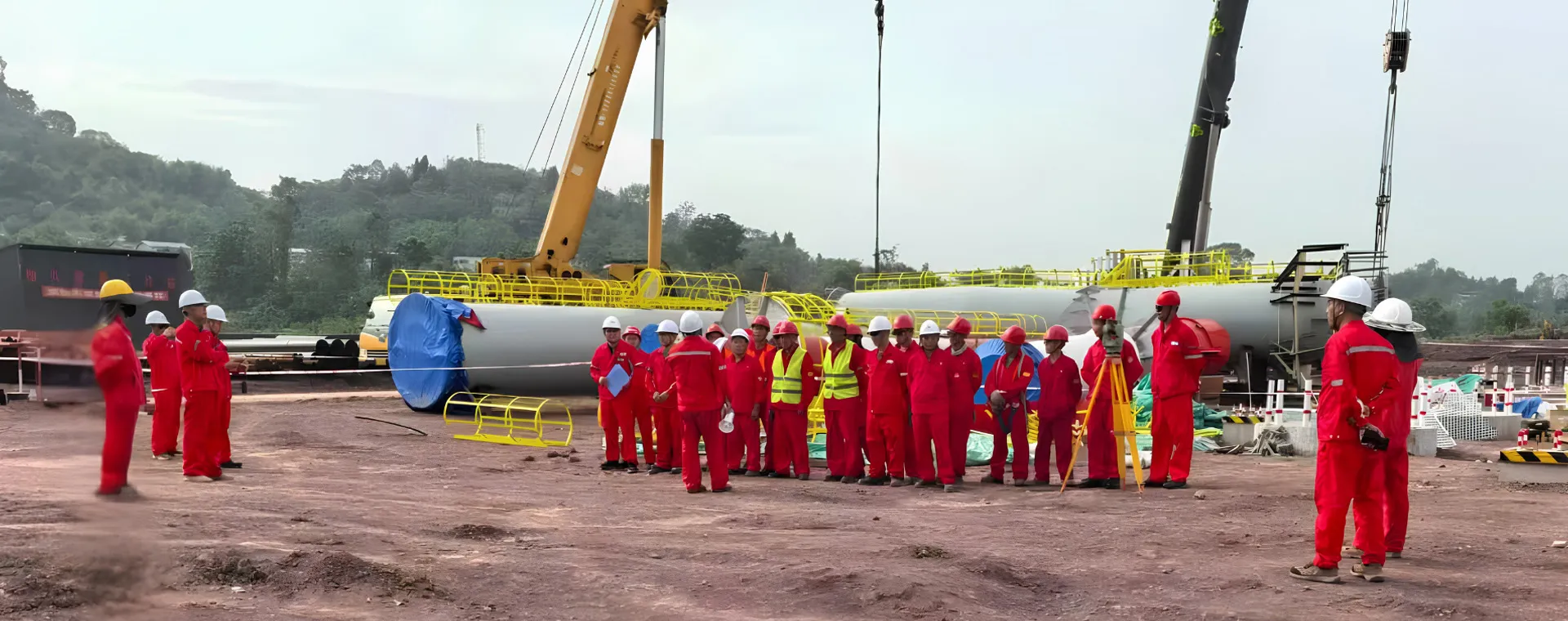
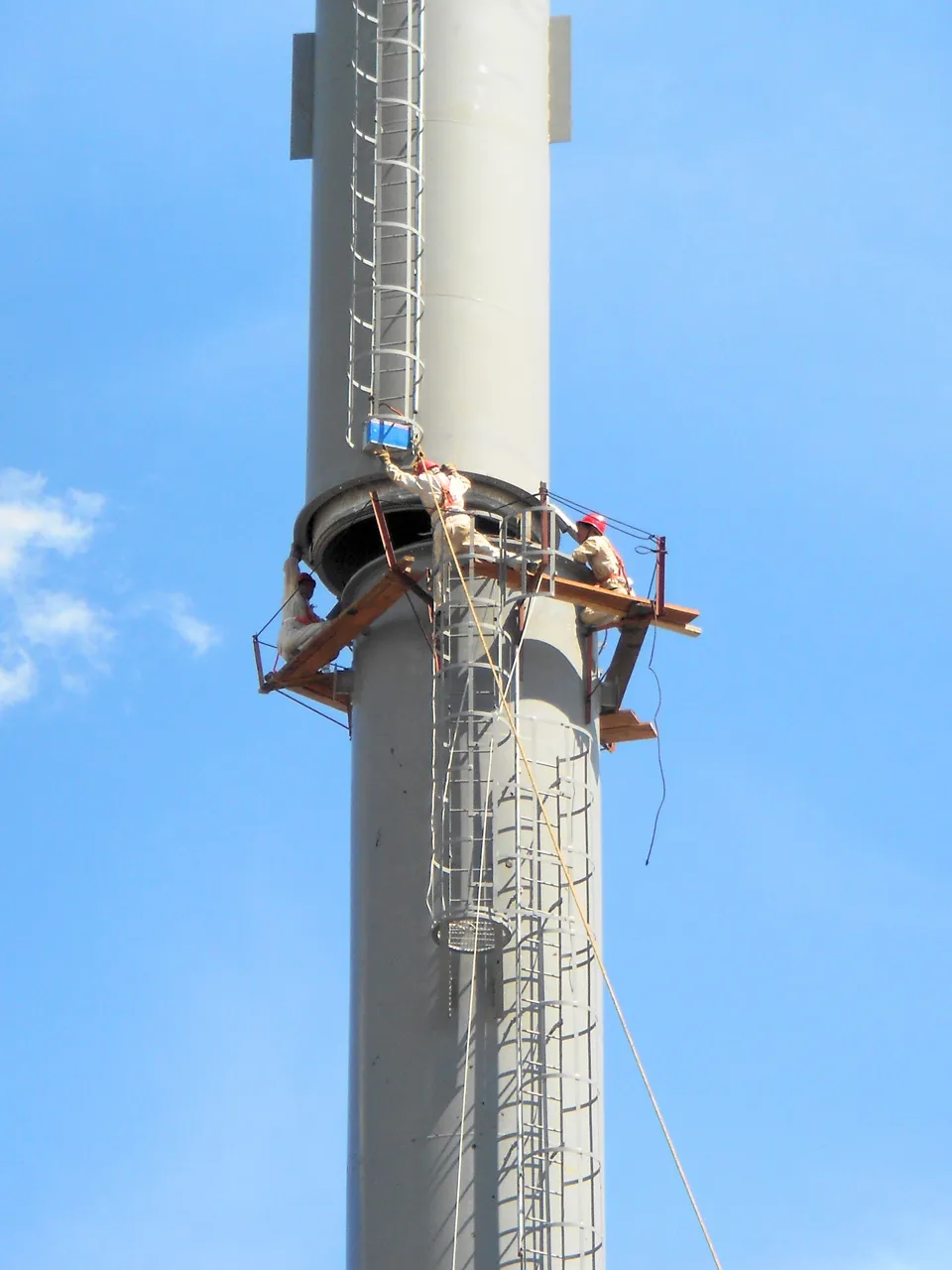
A chemical plant chimney may handle combustion exhaust, process off-gas or treated gas downstream of scrubbers. Gas chemistry, moisture, surface temperature and operating cycles affect corrosion, condensation and liner performance. Chimney configuration and material strategy must therefore be developed from the interaction of these variables, with operating limits confirmed before detailed design.
Different production stages may generate acidic compounds, moisture, solvents, particulates or other contaminants. The changing chemical environment affects gas-contact materials, joint sealing, drainage and inspection requirements.
Cooling near the chimney wall, during low-load operation or after shutdown can produce aggressive condensate. Local cold spots may therefore control corrosion risk even when the normal bulk-gas temperature appears acceptable.
Batch production and frequent start-stop cycles expose the inner flue to repeated heating, cooling and moisture formation. Expansion details, insulation and drainage must accommodate these transitions without assuming continuous steady operation.
Separate chemical production lines may have different gas compositions, operating schedules and maintenance requirements. Combining incompatible streams can complicate material selection, pressure control and safe isolation of individual processes.
Chemical facilities often contain dense pipe racks, vessels, buildings and operating equipment. The selected chimney structure must accommodate duct routing, foundation limits, erection access and nearby maintenance areas.
Request Engineering Consultation
Rainbow develops each chemical plant chimney from verified process and flue-gas data. Engineering separates the structural shell from the gas-contact inner flue, then coordinates corrosion protection, thermal movement, condensate drainage, structural loads, maintenance access and EPC interfaces before selecting the final configuration.

Rainbow converts gas composition, flow, pressure, temperature, moisture, droplets, deposits and operating cycles into traceable inputs for chimney diameter, gas velocity, pressure loss and configuration.

Metallic, non-metallic and coated gas-contact systems are evaluated against the chemical and thermal environment. Final chimney flue lining selection depends on compatibility and design-life requirements.

Insulation, expansion details, joints, sealing, low-point drainage and inspection access are coordinated around startup, shutdown and low-load conditions to manage thermal movement and corrosive liquid exposure.

For process trains with different gas conditions, Rainbow can compare independent inner flues, multi-flue structures and separate self-supporting chimneys to support isolation and maintenance planning.

Chimney sections, platforms, sampling ports, duct connections and field joints are planned around transport restrictions, crane access and the EPC schedule to simplify installation and interface coordination.
Provide gas composition and concentration ranges, flow, pressure, normal and upset temperatures, moisture, droplets, particulates, operating cycles, emissions-control equipment, outlet requirements, plot plan, site conditions and applicable codes.
No single material suits every chemical plant. The gas-contact system must be evaluated against chemical concentration, temperature, moisture, condensate composition, deposits, cleaning method and required design life.
The assessment should consider gas composition and local surface temperature during normal operation, low load, startup and shutdown. The design may require compatible lining, insulation, sealed joints, drainage and inspection access.
Several units may share one supporting structure. Gas compatibility, operating schedules, pressure interaction and isolation requirements must be reviewed before combining the streams. Independent inner flues may be more suitable.
Height depends on environmental approval, dispersion modelling, outlet conditions, surrounding buildings, terrain and local regulations. Structural feasibility must then be checked against wind, seismic, foundation and aviation requirements.
It may suit projects with adequate foundation space and suitable structural loads. Tower-supported, multi-flue or separate units may be more practical for restricted sites or several process trains.
The scope may include doors, platforms, ladders, sampling ports, drains and access to joints or liner supports. Their locations should reflect corrosion zones, condensate points and plant maintenance procedures.
The scope may include engineering, structural and inner-flue sections, insulation, platforms, sampling ports, drains, anchor components, fabrication documents, packing and installation support. Responsibility boundaries should be confirmed before manufacture.
Rainbow’s project library includes more than 6,500 chimney projects delivered across over 50 countries and multiple industrial applications. Each solution is developed around process-gas conditions, corrosion exposure, structural requirements, plant layout, and long-term inspection and maintenance needs.
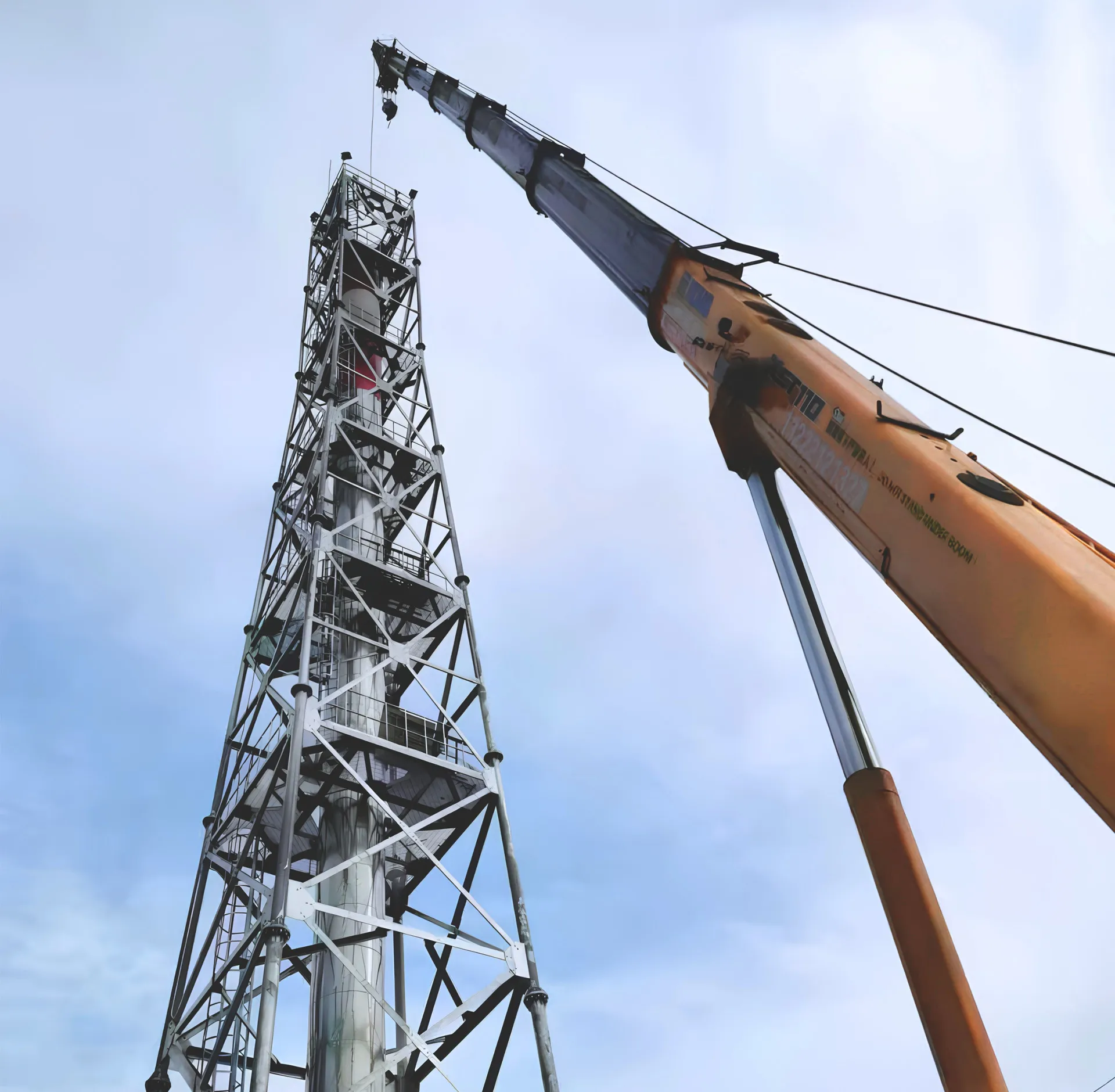
Country: Vietnam
Technical Challenge:Corrosive chemical exhaust requiring a tall supported gas path.
Rainbow Solution:Tower-supported single flue with a fiberglass gas-contact cylinder.
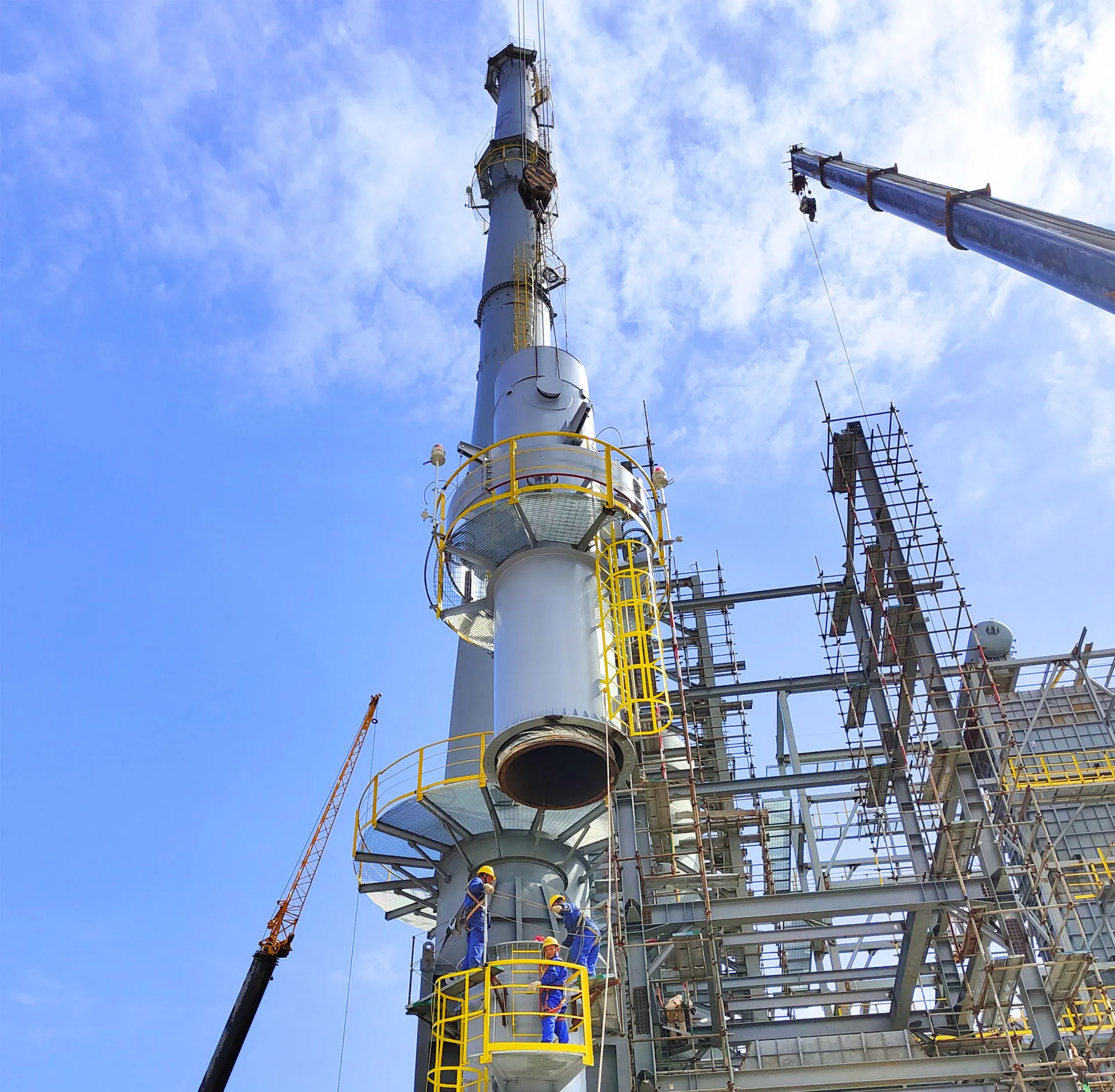
Country: Saudi Arabia
Height: 100 m
Technical Challenge:Variable corrosive exhaust within a space-constrained petrochemical complex.
Rainbow Solution:Evaluate isolated flues, conditional lining and tower-supported configuration.
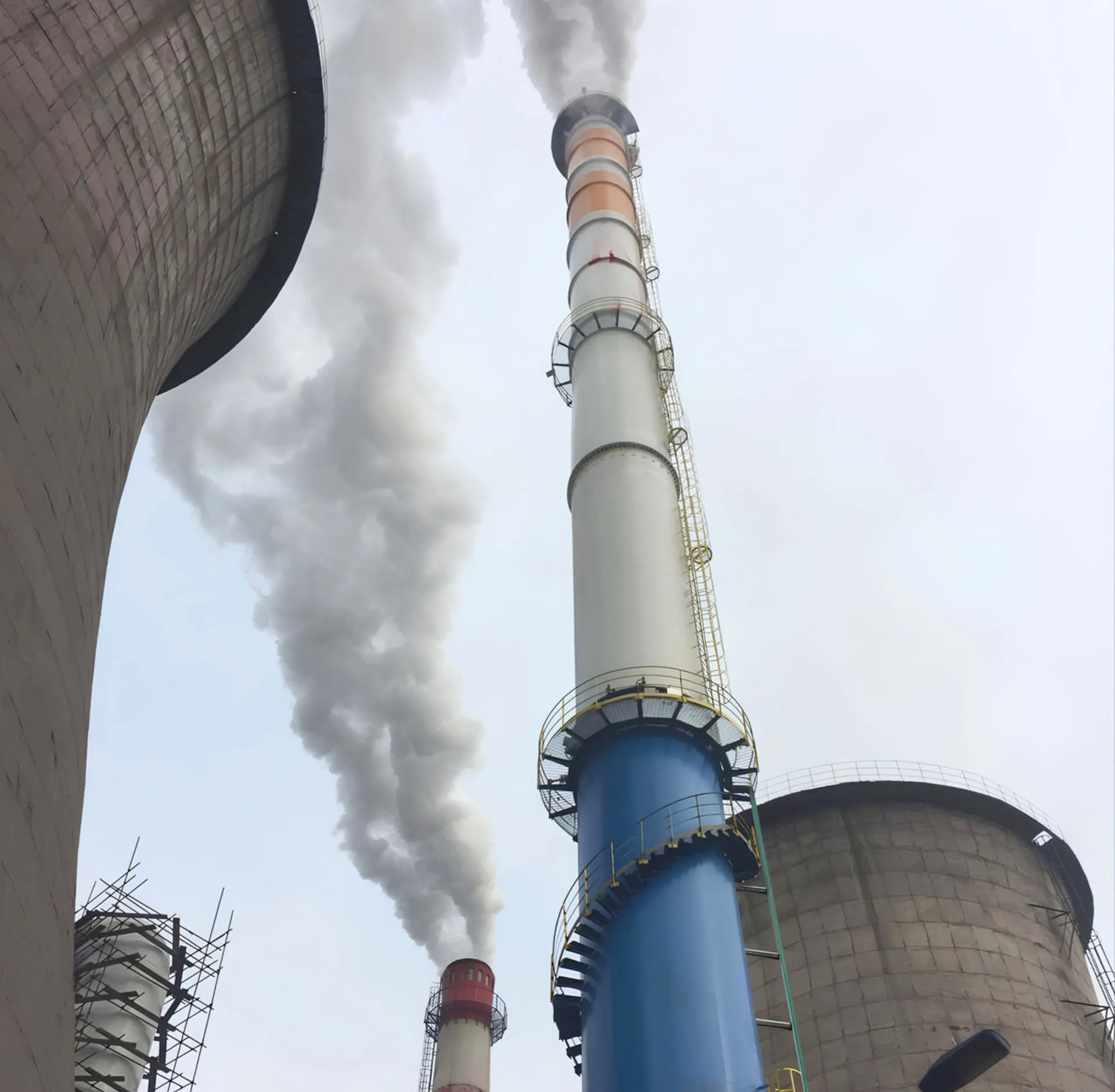
Country: India
Height: 90m
Technical Challenge:Batch processes generating changing chemistry and frequent thermal cycles.
Rainbow Solution:Develop separated flues with project-specific thermal and material review.
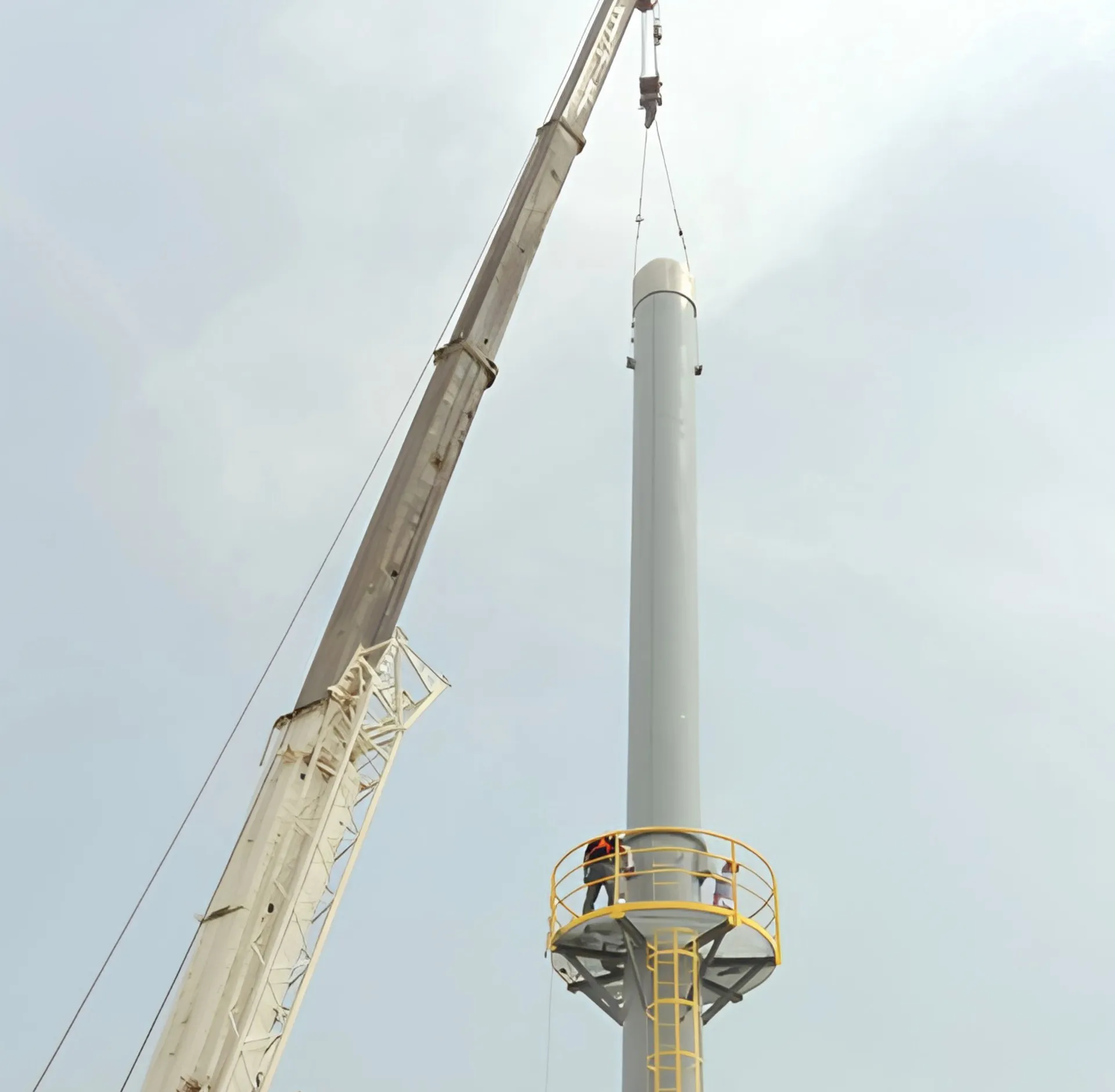
Country: Indonesia
Height: 120m
Technical Challenge:Humid coastal conditions combined with condensate-sensitive process exhaust.
Rainbow Solution:Evaluate drainage, insulation and replaceable corrosion-resistant inner flues.
Country: Vietnam
Technical Challenge:Corrosive chemical exhaust requiring a tall supported gas path.
Rainbow Solution:Tower-supported single flue with a fiberglass gas-contact cylinder.
Country: Saudi Arabia
Height: 100 m
Technical Challenge:Variable corrosive exhaust within a space-constrained petrochemical complex.
Rainbow Solution:Evaluate isolated flues, conditional lining and tower-supported configuration.
Country: India
Height: 90m
Technical Challenge:Batch processes generating changing chemistry and frequent thermal cycles.
Rainbow Solution:Develop separated flues with project-specific thermal and material review.
Country: Indonesia
Height: 120m
Technical Challenge:Humid coastal conditions combined with condensate-sensitive process exhaust.
Rainbow Solution:Evaluate drainage, insulation and replaceable corrosion-resistant inner flues.