What are you looking for?

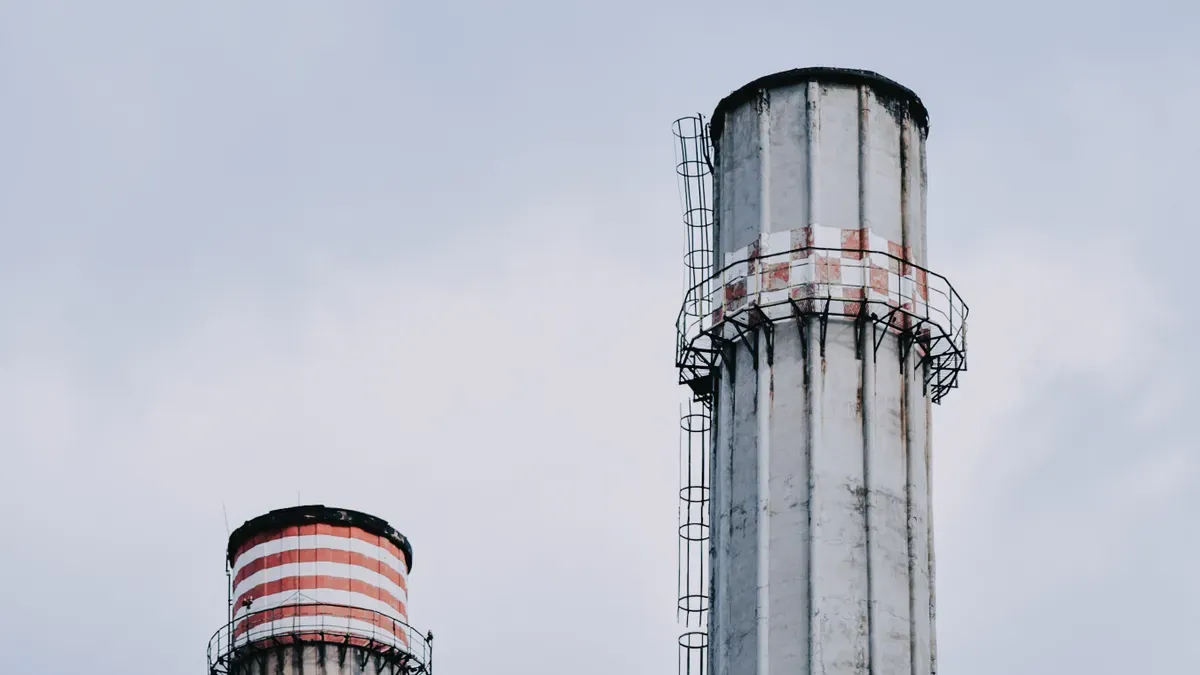 Image Source: pexels
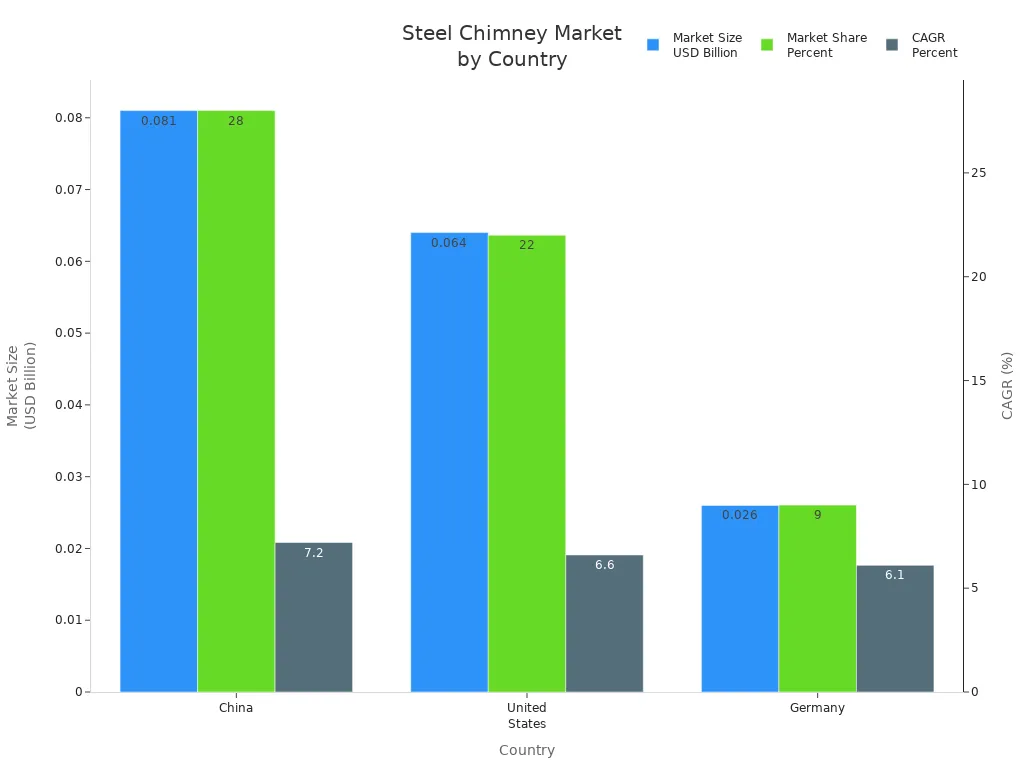
When you choose steel chimneys, remember these five facts. Think about material and grade. Check safety standards. Make sure it fits your heating system. Look at installation and maintenance. Think about cost over time. Each fact helps with fire safety. You can save energy. Your chimney will last longer. Stainless steel chimneys can last up to 50 years. They can be installed in just a few days. The market for steel chimneys is growing worldwide.
If you own a home or buy for a business, use these facts. This checklist helps you make a smart and safe choice.
Pick the right steel grade for your chimney. Grades like 304 and 316 have different benefits. Your location and needs help you choose.
Always look for safety certifications before you buy a chimney. Certifications show the chimney meets safety rules. They help protect your property.
Make sure your chimney fits your heating system. Different appliances need special setups. This keeps things safe and efficient.
Think about long-term costs, not just the first price. Stainless steel costs more at first. It saves money on repairs and lasts longer.
Regular maintenance is important. Check your chimney often to find problems early. This keeps it safe and working well.
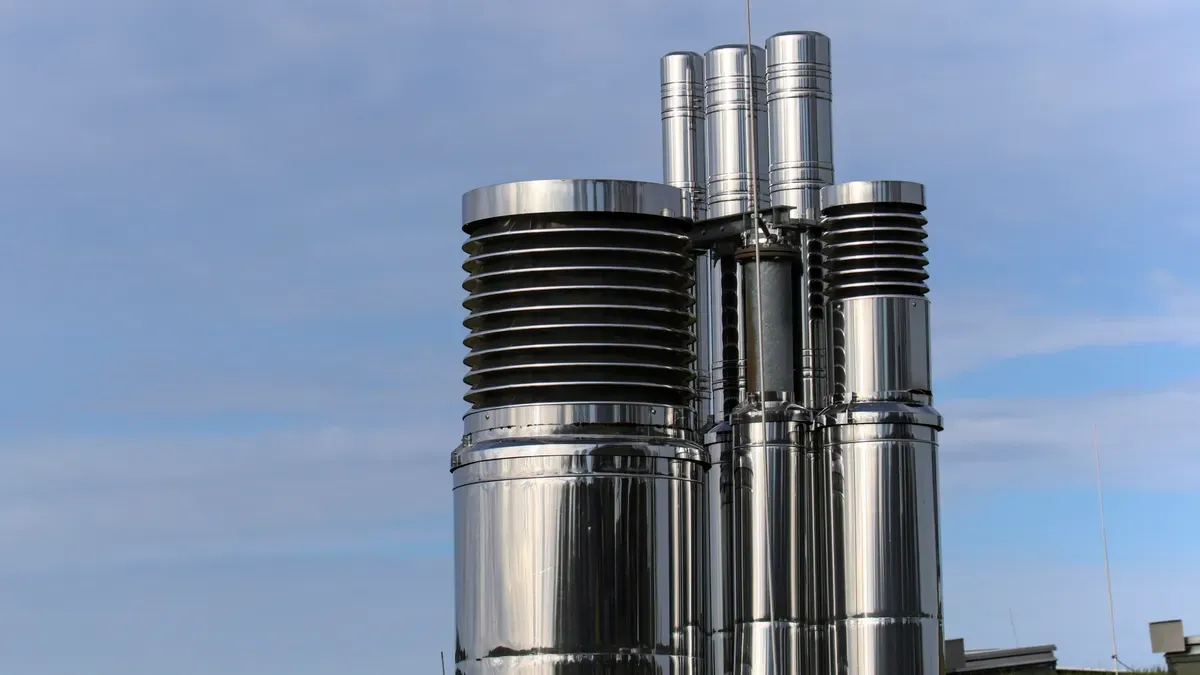
Image Source: pexels
Picking the right steel grade for your chimney matters more than you might think. Each grade works best in certain places and with certain fuels. If you want your chimney to last, you need to match the grade to your needs. Here’s a quick look at the most common grades:
Steel Grade | Composition | Applications | Advantages | Limitations |
|---|---|---|---|---|
304 | 18% Cr, 8% Ni | Residential chimneys, indoor installations | Great corrosion and heat resistance | Not ideal for coastal or acidic areas |
316 | 16% Cr, 10% Ni, 2% Mo | Industrial chimneys, kitchens, coastal areas | Top resistance to acids and salt air | Costs more than 304 or 430 |
430 | 17% Cr, little/no Ni | Outer walls, budget residential projects | Affordable, good in dry places | Not strong in humid or acidic conditions |
You can see that 316 is the best choice for tough spots like factories or near the ocean. For most homes, 304 works well. If you want to save money and live in a dry place, 430 might do the job. RAINBOW uses high-quality stainless steel in every chimney, so you get the right match for your project.
Your chimney faces a lot every day. Rain, snow, heat, and even pollution can wear it down. If you pick the wrong material, your chimney might rust or break much sooner. Stainless steel stands out because it fights off rust and damage, even in harsh weather. This means your chimney stays strong and safe for years.
Tip: If you live near the sea or in a city with lots of pollution, choose a chimney made from 316 stainless steel. It handles salt and acids better than other grades.
A good chimney keeps working even when the weather gets wild. Humidity, acid rain, and big swings in temperature can all speed up wear and tear. Salt air in coastal towns can eat away at metal fast. That’s why you need a chimney built for your climate. When you choose the right grade, you cut down on repairs and replacements. You also keep your home or business safer.
Steel chimneys made with the right materials can last for decades. They need less fixing and give you peace of mind. Always check the grade before you buy a chimney. It’s a small step that makes a big difference.
When you choose a chimney, safety is important. Certifications mean the chimney passed tough tests. They show it follows rules that keep you safe. These certificates help you trust the chimney. They protect your property from harm. Here is a table with main certifications to check:
Certification | Description |
|---|---|
Makes sure welding is strong and reliable for tough structures. | |
EN 1090 | Confirms the chimney follows European rules for steel structures. |
ISO 9001:2015 | Shows the company has a quality management system for consistent products. |
EN 13084-7 | Sets standards for design and manufacturing, so the chimney performs well and stays safe. |
VCA | Proves the company cares about safety, health, and the environment. |
RAINBOW uses these certifications for every chimney. You get a chimney that meets international standards. Your building stays safe.
Tip: Always ask for certificates before buying a chimney. This helps you avoid unsafe choices.
You must check that your chimney follows all rules. Regulations keep you safe from fire and damage. They also stop fines or delays in your project. Here is what you need to look for:
Requirement Category | Description |
|---|---|
The flue must match the fireplace opening, so gases vent safely. | |
Clearance to combustibles | Keep enough space between the chimney and anything that can burn. |
Height above roof | The chimney should rise above the roof to prevent fire risks and improve draft. |
Liner integrity | Use fire-resistant liners to stop heat from damaging the structure. |
Smoke chamber and firebox construction | Walls must be thick enough to handle heat and keep the chimney strong. |
Permit and inspection | Get a permit and schedule inspections to check for safety at every stage. |
Safety standards help protect you and your property. They make sure the chimney works right and vents gases. They keep fire away from your home or business. Inspections find problems early. You stay safe and avoid expensive repairs. RAINBOW builds every chimney to meet these rules. You can relax and feel safe.
Your chimney needs to fit your heating system. Different appliances need different setups. Boilers, stoves, and furnaces all have their own needs. The right match keeps you safe and warm. Check what kind of appliance you have. Look at how efficient it is. Older gas furnaces and water heaters use aluminum liners. High-efficiency furnaces and dual-fuel systems need stainless steel liners, like 316L. Stainless steel works best in cold places or where condensation happens.
Here’s a simple table to show which liner fits each appliance:
Appliance Type | AFUE / Efficiency | Recommended Liner |
|---|---|---|
Older gas furnace | Below 82–83% | |
Standard gas water heater | Non-condensing | Aluminum flex liner |
High-efficiency furnace | 83%+ / condensing | Stainless steel (316L) |
Dual-fuel or upgrade | Any | Stainless steel (316L) |
Cold climate, condensation risk | Any gas appliance | Stainless steel preferred |
Always follow what the manufacturer says. Make sure all parts are UL-listed. They must be rated for your chimney system. Use a listed rain cap. Seal the cleanout tee properly. These steps help your chimney last longer and work better.
The size of your chimney is important. If it is too small or too big, you can have problems. Draft issues or safety risks can happen. The diameter must match the BTU input of your appliances. This helps gases move out safely. It stops backdrafts. Check the venting setup for each appliance.
Here’s a table to show what you need to check:
Factor | Description |
|---|---|
Flue Liner Sizing | Diameter matches BTU input to prevent draft issues |
Appliance Type | Each appliance needs a specific venting setup |
Compliance | Follow codes and standards for safety and efficiency |
RAINBOW gives you many choices. You can get industrial chimneys from 15m to 180m tall. Commercial chimneys have double-wall insulation. Residential chimneys fit any fuel type. You pick the size, shape, and material. Your chimney fits your system.
Tip: If you don’t know the right size, ask a professional. They can help you choose the best chimney for your heating system.
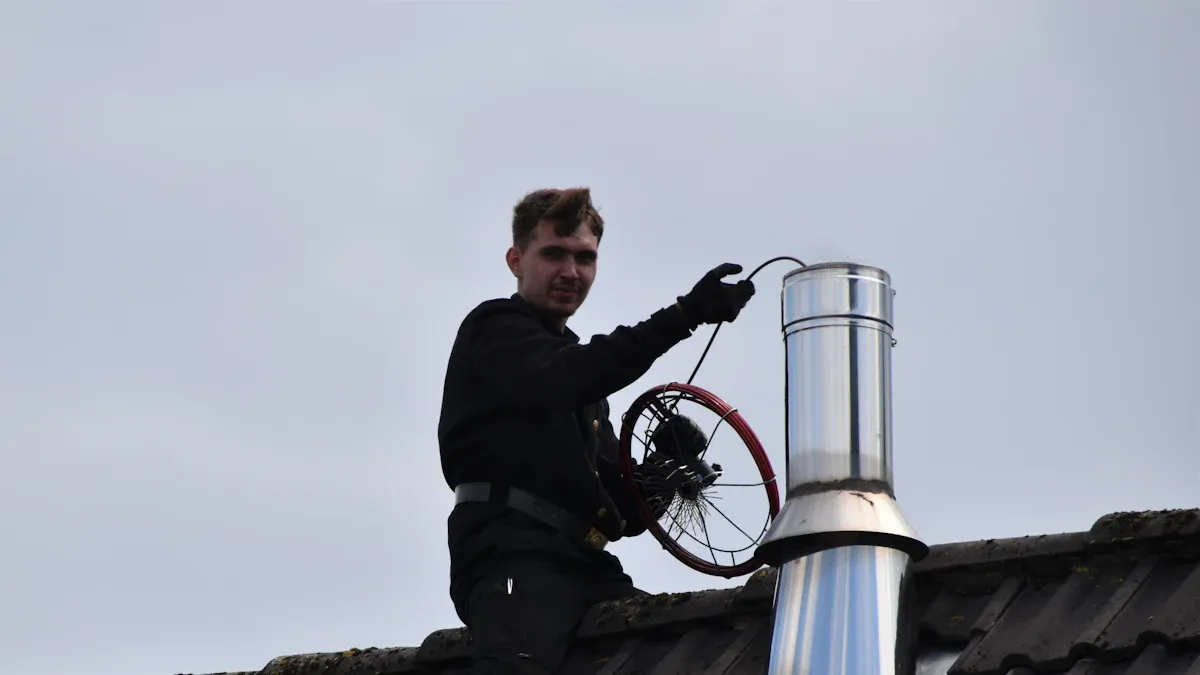
Image Source: unsplash
When you install a chimney, the first step is a site check. Experts look at your building and pick the best spot. They measure the area and choose the right size. Next, they bring the chimney parts to your site. Workers put the sections together and make them secure. If you pick a RAINBOW chimney, you can get double-wall insulation and anti-corrosion coatings. These features help your chimney stay strong and safe. The team checks every joint and seal for leaks. They make sure the chimney stands straight and follows safety rules. The whole job can finish fast, sometimes in just a few days.
Tip: Ask your installer about insulation and anti-corrosion features. These upgrades help your chimney last longer and need fewer repairs.
Taking care of your chimney is simple if you follow a routine. You should check the inside and outside often. Look for cracks, rust, or signs of damage. Older chimneys need more checks to stay safe. Use old inspection reports to find trouble spots. If you see damage or misalignment, call a pro for help. Sometimes, you need a rebuild to fix vertical alignment and keep your chimney safe.
Check your chimney often to find problems early.
Look inside and outside for hidden issues.
Inspect older chimneys more often.
Use past reports to focus on weak spots.
Fix structural problems right away for safety.
Double-wall insulation helps your chimney handle heat and cold. Anti-corrosion coatings protect it from bad weather and gases. These features lower repair needs and help your chimney last for many years. If you follow these tips, your building stays safe and your chimney works well.
When you look at the price of a chimney, you might notice that stainless steel liners cost more at first. Ceramic liners seem cheaper, but you pay more later for repairs and replacements. If you want a chimney that lasts, you should think about the total cost over time, not just the price tag today. Here’s a quick table to help you compare:
Material | Upfront Cost | Long-term Cost Implications |
|---|---|---|
Ceramic liners | Lower | Higher due to potential repairs and replacements |
Stainless steel | Higher | Lower due to durability and reduced maintenance |
You spend more on stainless steel liners at the start, but you save money because they need fewer repairs. Steel chimneys also last longer and stay strong in tough weather. You get peace of mind and fewer surprises.
You want your chimney to work well for years. Stainless steel liners make that possible. They resist rust and damage, so you don’t have to worry about cracks or corrosion. You also save time because steel chimneys are easy to inspect and fix. RCC chimneys may look cheaper, but they can crack and corrode, leading to hidden costs. Steel chimneys let you build faster and start using your system sooner.
Here are some reasons why stainless steel liners give you better value:
Steel structures have lower maintenance costs because they are durable and easy to check.
RCC chimneys can cost more over time due to cracks and corrosion.
Steel chimneys are easier to modify or expand, so you spend less if you need changes.
Steel is 100% recyclable, so your chimney keeps its value even after many years.
You should also look at the factors that make a chimney last longer and perform better. Check out this table:
Factor | Details |
|---|---|
Material Grade | 304 stainless steel for dry places; 316L for tough, corrosive spots. |
Thermal Insulation Performance | Insulation thickness of 25–32.5 mm boosts energy efficiency by up to 50%. |
Compliance with Safety Standards | Following UL 1777 or EN 1856-1 keeps your chimney safe and stable. |
If you choose the right chimney relining material, you get a system that works well and saves money. Stainless steel liners help your chimney stay safe, efficient, and valuable for decades. You can trust your chimney to protect your building and your budget.
You have learned five important facts about choosing steel chimneys. These facts help you stay safe and save money. They also help you get the most for your money. Use these facts as a checklist when you pick a chimney. Want to know how these facts match with the best ways to do things? Look at this table:
Best Practice | Description |
|---|---|
Customization and Aesthetic | Pick designs that look nice and work well. |
Safety Measures | Follow safety steps to keep everyone safe. |
Meticulous Installation | Be careful during setup to stop problems later. |
Quality Assurance | Make sure everything is high quality. |
Post-Installation Inspection | Check your chimney works before you use it. |
If you are not sure what to do, ask a chimney expert for help. You can also compare brands like RAINBOW to find what works best for you.
Chimney relining means adding a new liner inside your chimney. You need chimney relining if your old liner cracks or wears out. This keeps smoke and gases moving safely out of your home. It also helps your chimney last longer.
You should check your chimney cap at least once a year. Look for rust, cracks, or missing parts. A good chimney cap keeps rain, animals, and leaves out. If you see damage, fix it right away to protect your chimney.
You can try chimney cap installation if you feel comfortable on a ladder and follow safety steps. Many people call a pro for chimney cap installation. A pro makes sure the chimney cap fits tight and works well. This helps you avoid leaks and drafts.
You need chimney relining if you see cracks, rust, or broken tiles inside your chimney. You also need chimney relining if you switch to a new heating system. Chimney relining helps your chimney work safely and keeps your home safe from fire.
A chimney cap stops rain, snow, and animals from getting inside. It blocks sparks from flying out. You also keep leaves and trash out. With a chimney cap, you cut down on repairs and make your chimney last longer.
Tip: Always check your chimney cap after storms. Fast repairs help you avoid bigger problems.
Task | How Often | Why It Matters |
|---|---|---|
Chimney relining check | Every 5 years | Keeps chimney safe and strong |
Chimney cap inspection | Yearly | Stops leaks and blockages |
Chimney cap installation | As needed | Protects chimney from damage |

Wang Yong
Chairman
"True progress rises when industry respects the sky it touches."