What are you looking for?
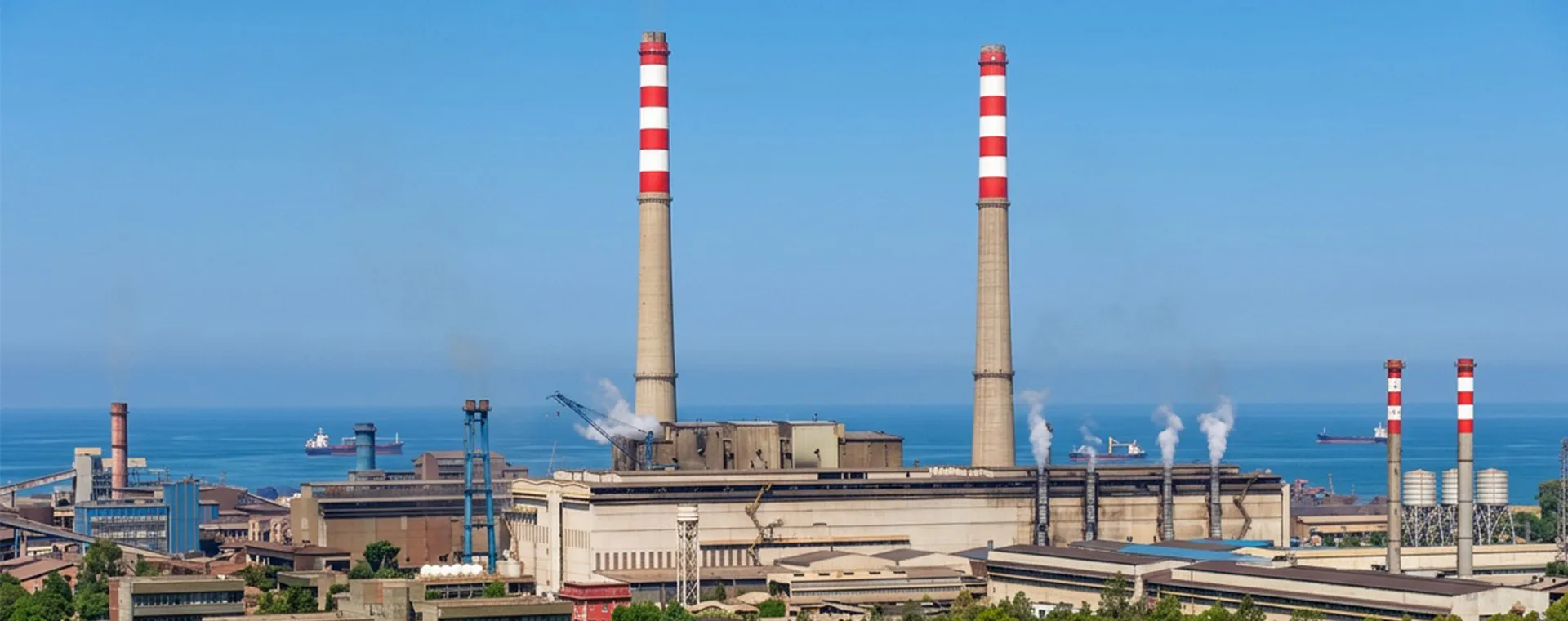
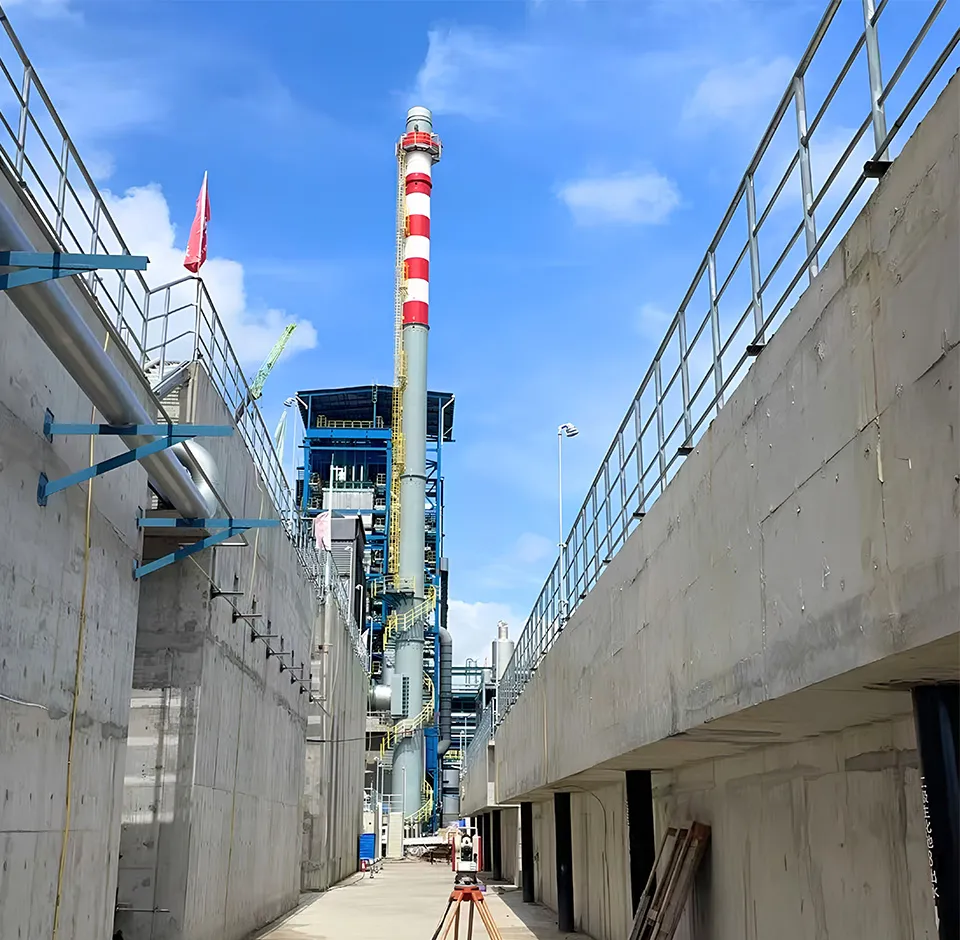
Paper mills may discharge gas from recovery boilers, power boilers, lime kilns or other process equipment. Each source can produce a different combination of temperature, moisture, particulate loading and chemical exposure. Chimney configuration, gas-contact materials, insulation, draft and maintenance access must therefore reflect the actual source and operating cycle.
Recovery boilers, power boilers and lime kilns do not necessarily share the same gas characteristics. Combining unsuitable streams can complicate draft control, material selection, isolation and maintenance planning.
Moisture, sulfur compounds, chlorides, treatment chemicals and deposits may create localized corrosion conditions. Shutdowns and cold surfaces can make vulnerable areas more severe than bulk gas temperature suggests.
Ash, carryover and process deposits can collect around transitions, inspection openings and lower chimney sections. Accumulation may restrict access, retain moisture or increase localized deterioration.
Paper mills often coordinate maintenance around planned shutdowns. Chimney inspection, component replacement and erection activities must fit the available outage period without obstructing adjacent plant operations.
Large gas volumes, tall structures, duct reactions and congested mill layouts influence chimney diameter, support arrangement and foundation loads. Wind, seismic conditions and erection access also affect configuration.
Rainbow develops each paper mill chimney from the identified exhaust source, operating range and plant interface. The engineering process coordinates flow and draft requirements with the structural shell, gas-contact system, thermal movement, condensate control, inspection access, fabrication method and site erection sequence.

Rainbow reviews each connected boiler or process source separately, including normal operation, startup, shutdown and upset data, before determining flue diameter, outlet arrangement and isolation requirements.
Engineering focus: gas flow, temperature range, pressure, draft and emission outlet conditions.

The structural shell and gas-contact layer are evaluated as separate systems. Liner or inner-flue materials are selected only after reviewing chemistry, moisture, deposits, temperature and cleaning conditions.
Engineering focus: corrosion allowance, liner compatibility, sealing and replaceability.

Insulation, temperature distribution, joints, drainage and lower-section details can be coordinated to limit uncontrolled condensate retention and provide practical access for inspection or deposit removal.
Engineering focus: cold spots, drains, cleanouts, inspection ports and thermal movement.

Chimney height and diameter are developed alongside pressure loss, outlet velocity, dispersion requirements and site loads. Self-supporting, tower-supported or multi-flue arrangements can be evaluated against the available footprint.
Engineering focus: wind, seismic action, duct loads, foundation interface and vibration.

Fabrication modules, transportation limits, lifting plans and connection interfaces are coordinated with the mill’s construction or shutdown schedule. Access provisions support future inspection and maintenance planning.
Engineering focus: modular fabrication, erection sequence, platforms, sampling points and documentation.
Provide the connected source, gas composition, normal and extreme temperatures, flow rate, pressure, moisture, particulate loading, operating cycle and cleaning method. The engineer also needs the required outlet height, duct interface, site loads, applicable regulations and expected delivery scope.
They may share a supporting structure, but combining gases into one flue should not be assumed. Gas compatibility, operating schedules, pressure balance, maintenance isolation and emission requirements must be reviewed before deciding between a common flue and independent inner flues.
There is no universal liner material for every paper mill. Selection depends on gas and condensate chemistry, temperature, moisture, deposits, cleaning method and design life. Stainless steel, alloy, composite or other lining systems should be compared using project-specific corrosion and thermal data.
The design may coordinate insulation, inner-flue temperature distribution, drainage, sealing and thermal bridges. Startup, shutdown and low-load conditions should be checked because condensation may occur locally even when the normal bulk gas temperature appears sufficiently high.
Height is established through applicable environmental requirements, dispersion assessment, terrain and nearby structures. Draft, outlet velocity, gas temperature and pressure loss must also be evaluated. Structural design then considers the resulting height together with wind, seismic and foundation conditions.
Independent flues may be appropriate when multiple sources have different gas chemistry, operating schedules or maintenance requirements. A shared supporting structure can reduce footprint, while separated flues can simplify isolation and prevent unsuitable gas mixing. The final arrangement requires hydraulic and structural review.
An upgrade may be feasible after inspecting the shell, liner, welds, platforms, foundation, anchor bolts, duct connections and remaining wall thickness. The assessment should also compare the original design basis with current boiler duty, emissions equipment and operating conditions.
Include process and flue-gas data, required outlet height, plot plan, duct loads, site wind and seismic basis, preferred design codes, access requirements, material expectations, inspection documentation, transport limits, erection responsibilities and project schedule. Unknown information should be clearly identified for joint review.
Rainbow has completed more than 6,500 chimney projects across over 50 countries. Our pulp and paper industry experience covers a wide range of structural configurations, operating conditions, and corrosion-control requirements. Explore selected projects demonstrating our engineering and manufacturing capabilities for paper mill chimney systems.
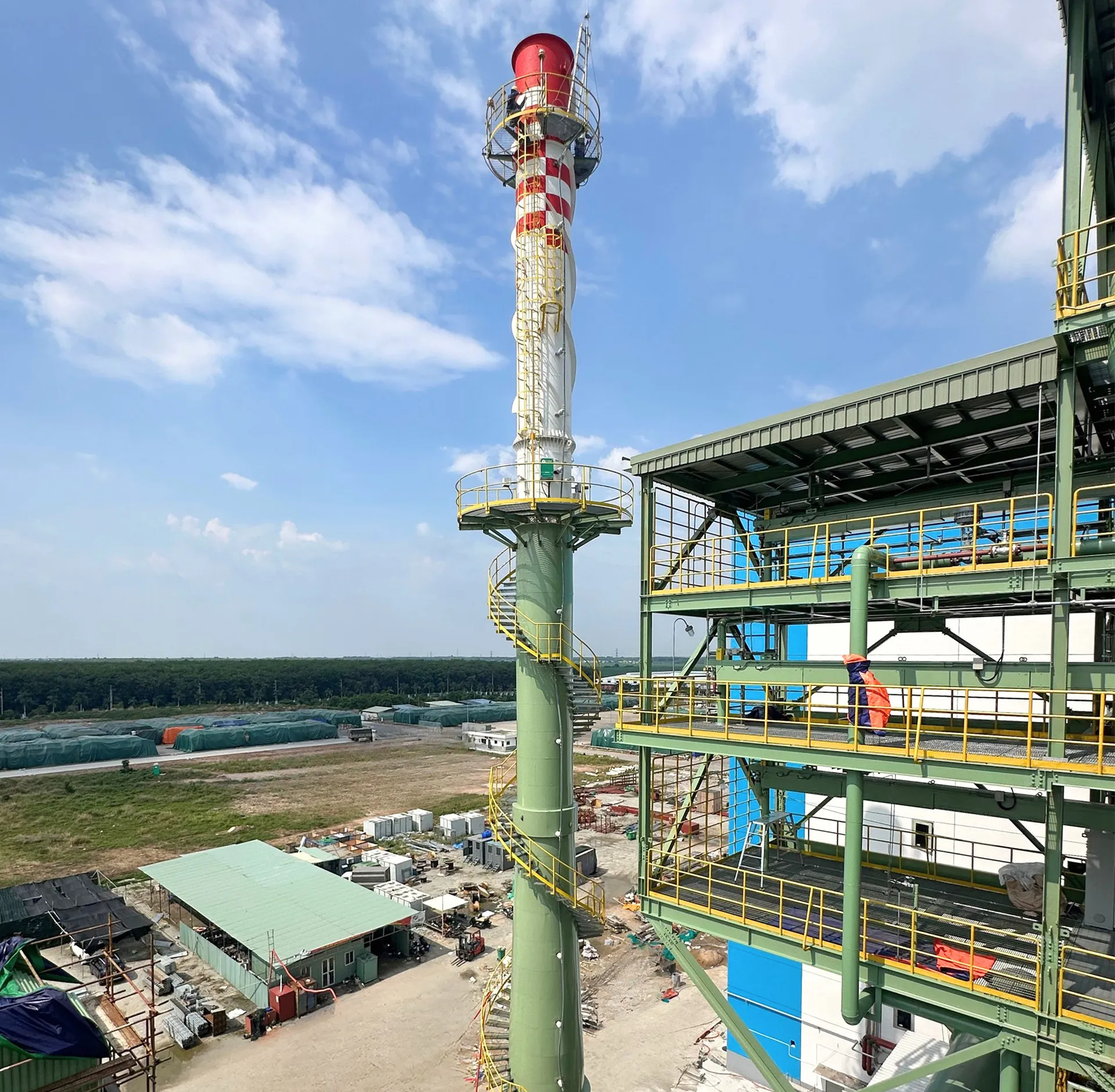
Country: Vietnam
Height: 45 m
Technical Challenge: Separate structural duty from the corrosive gas-contact environment.
Rainbow Solution: Single-flue chimney with 3 mm SUS316L gas-contact layer.
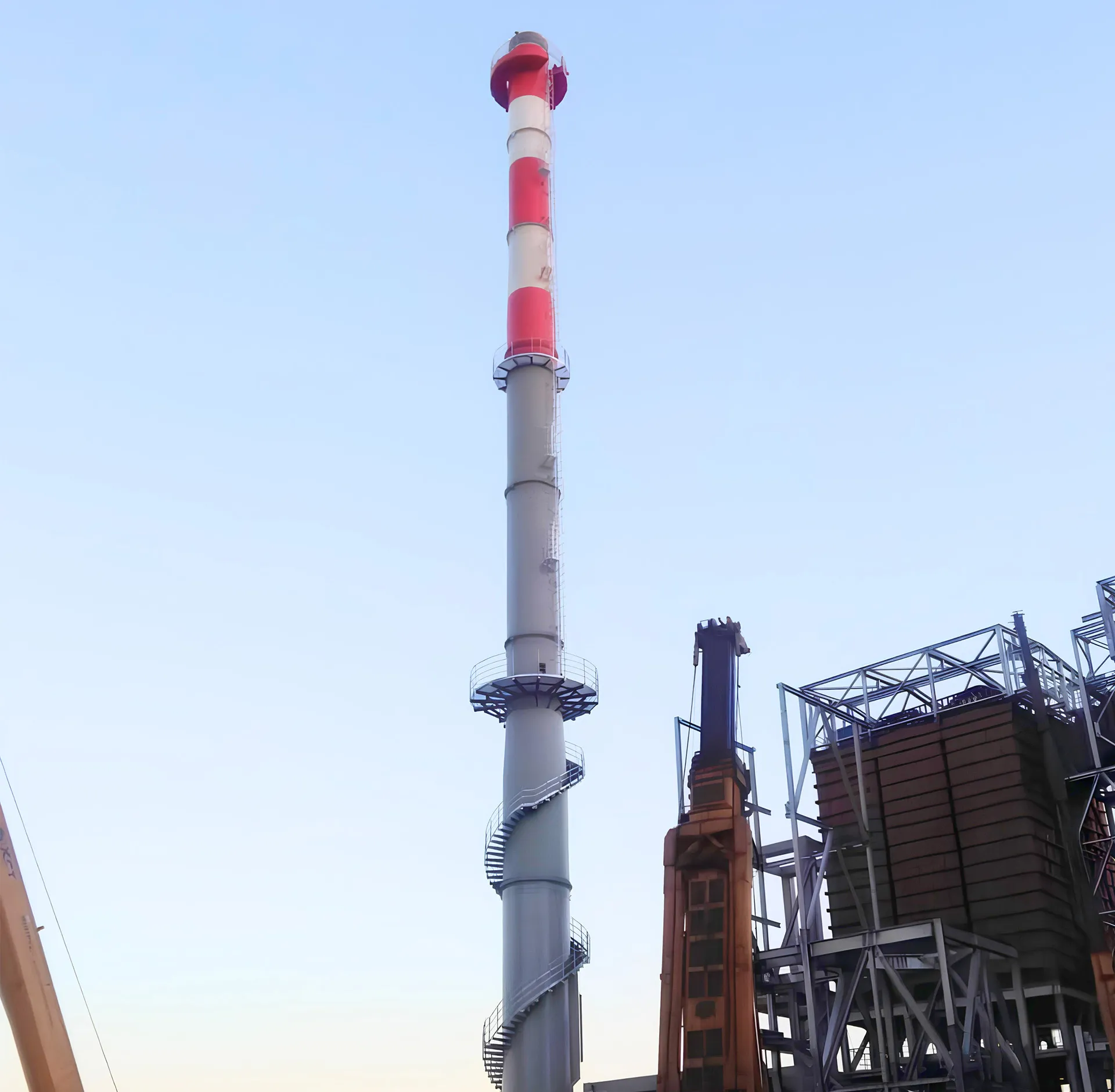
Country: Vietnam
Height: 80 m
Technical Challenge: Manage a tall chimney under paper-process gas exposure.
Rainbow Solution: Sleeve self-supporting structure with separated gas-contact protection.
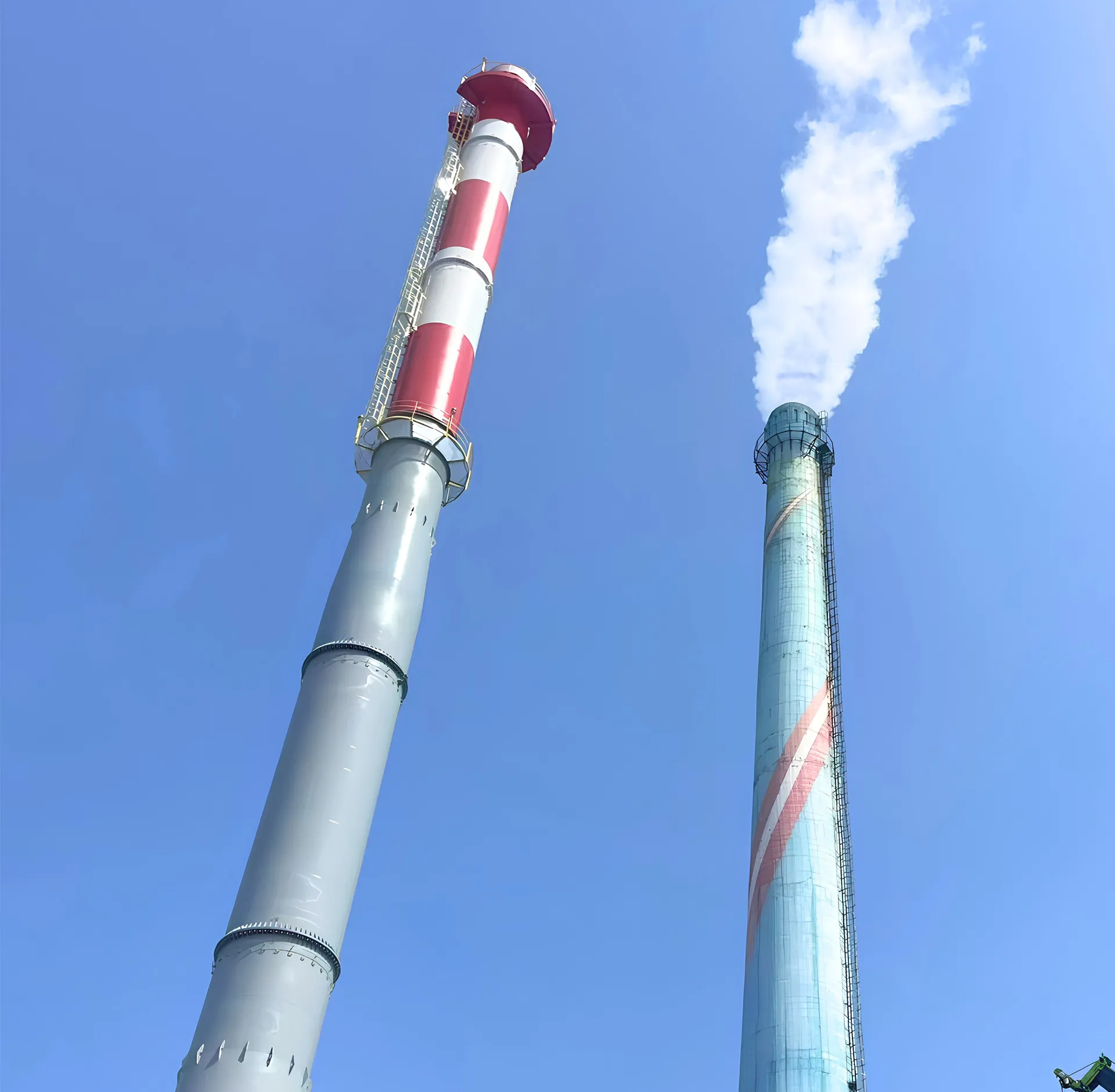
Country: Türkiye
Height: 60 m
Technical Challenge: Coordinate corrosion protection with a compact self-supporting structure.
Rainbow Solution: Sleeve configuration separating structural and gas-contact functions.
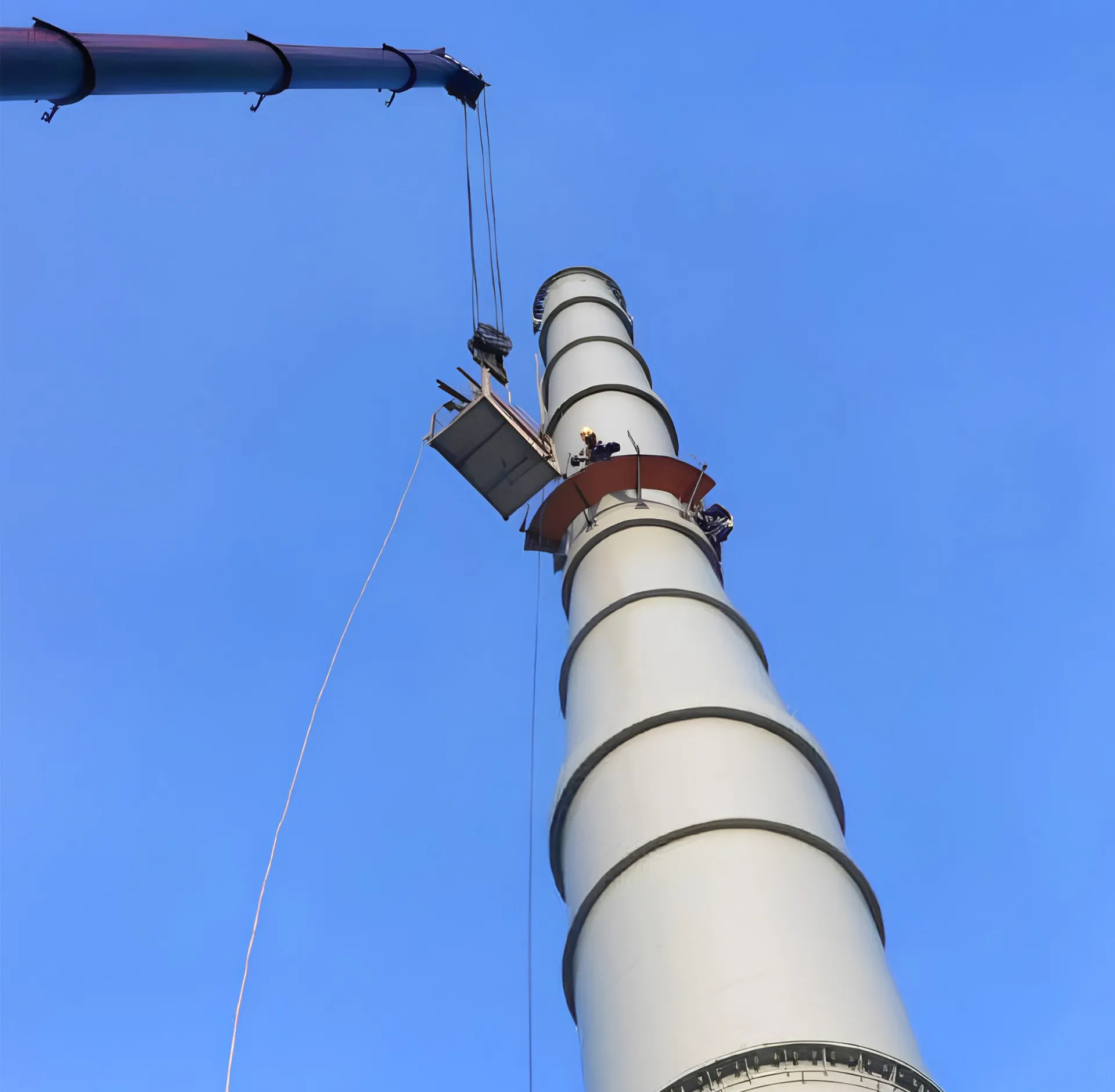
Country: Brazil
Height: 120 m
Technical Challenge: Coordinate high-volume recovery-process exhaust and corrosion control.
Rainbow Solution: Evaluate isolated flues, gas-contact materials and maintenance access.
Country: Vietnam
Height: 45 m
Technical Challenge: Separate structural duty from the corrosive gas-contact environment.
Rainbow Solution: Single-flue chimney with 3 mm SUS316L gas-contact layer.
Country: Vietnam
Height: 80 m
Technical Challenge: Manage a tall chimney under paper-process gas exposure.
Rainbow Solution: Sleeve self-supporting structure with separated gas-contact protection.
Country: Türkiye
Height: 60 m
Technical Challenge: Coordinate corrosion protection with a compact self-supporting structure.
Rainbow Solution: Sleeve configuration separating structural and gas-contact functions.
Country: Brazil
Height: 120 m
Technical Challenge: Coordinate high-volume recovery-process exhaust and corrosion control.
Rainbow Solution: Evaluate isolated flues, gas-contact materials and maintenance access.