What are you looking for?
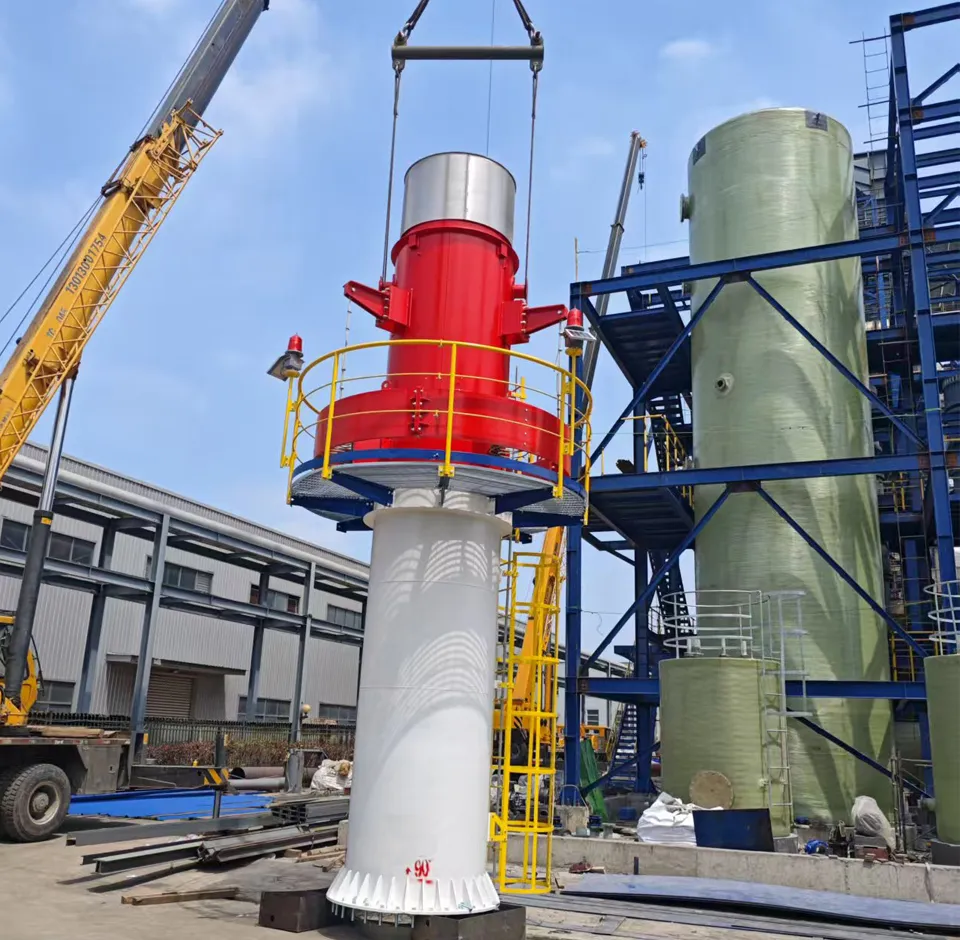
The chimneys of waste incineration plants work under high-stress industrial conditions. They have to deal with hot flue gases, which are highly acidic condensates, and work continuously. The system has to be designed so that it meets the structural stability requirements for long-term performance as well as being resistant to corrosion and environmentally friendly.
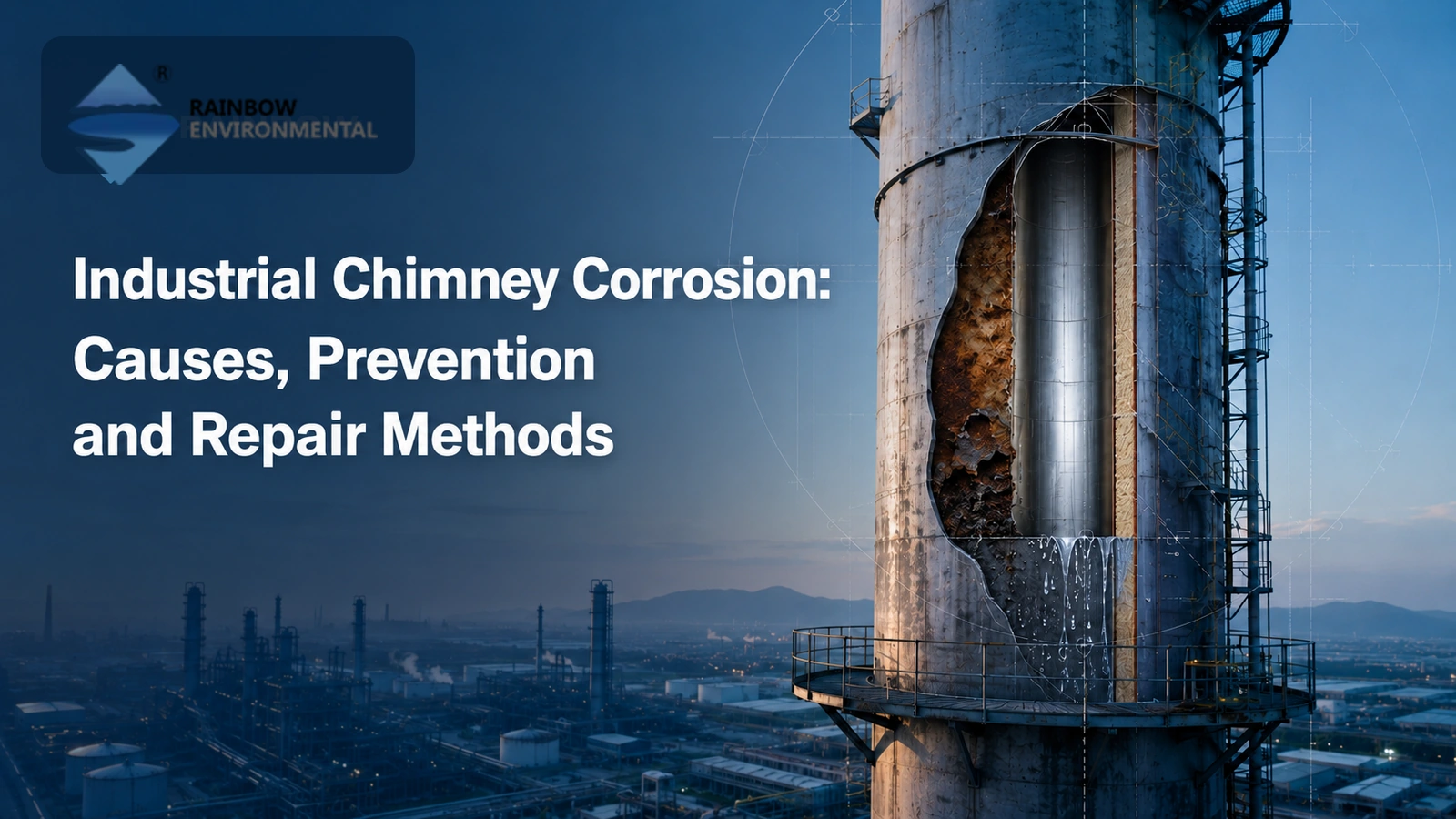
The combustion of waste produces flue gases with chlorides, sulfur compounds, and fluorides as well as acidic condensates. In conventional chimney systems, rapid corrosion can occur.
After flue gas passes through the air pollution control equipment, the temperature of the exhaust is often near the acid dew point, hence raising the risk of internal condensation and corrosion
Daily cyclic thermal shock causes fatigue and deformation of the chimney structure through expansion and contraction unless adequately designed, leading eventually to maintenance problems. This can be done by integrating the system with flue gas treatment systems
The chimney should work as one of the parts of the total flue gas treatment system and should maintain the right exhaust velocity, pressure balance, and compatibility with ID fans, scrubbers, and bag filters.
The plants for waste to energy are designed to be in operation continuously. The systems of chimneys should be designed in such a way that they would require a minimum of maintenance and at the same time, safely allow access for carrying out inspection over their entire life of service.
Rainbow integrates engineering design, corrosion-resistant materials, modular manufacturing, and installation support to meet the exacting needs of today's waste incineration plants. Each waste incineration chimney system is engineered based on project-specific operating conditions, environmental regulations, and full lifecycle performance requirements.

Rainbow selects the stainless steel liner material based on the composition of flue gases, operating temperatures, and expected service life. The materials commonly used are 304, 316L, 316Ti, Duplex 2205, and 310S.

The insulation systems, liner configurations, and solutions for condensate drainage have been enhanced to check low-temperature corrosion and thereby minimize equipment degradation.

The structural calculations cover analysis of wind loads, seismic forces, control of vibrations, and evaluation of loads on foundations to ensure safety in the operation of the chimney under complex site conditions.

Expansion joints, sliding supports, and thermal stress analysis form part of every design to ensure stability against continuous operation.

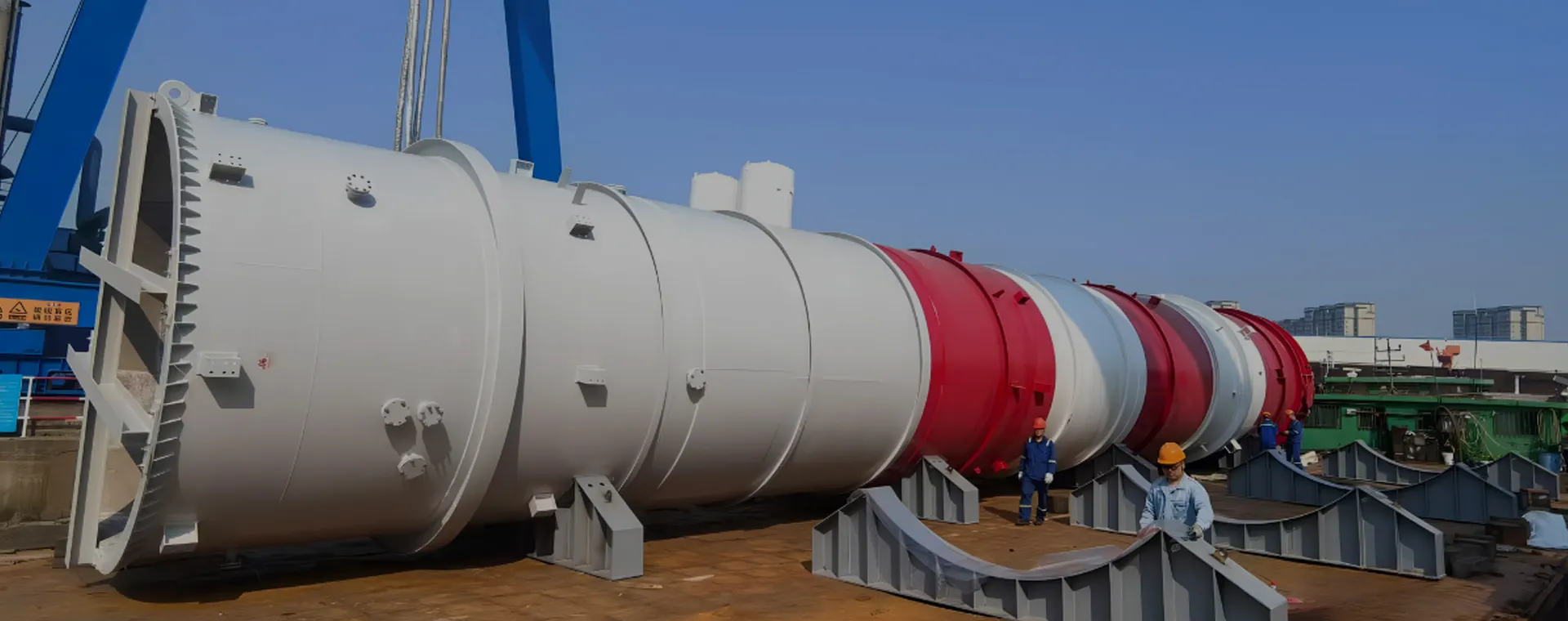
Rainbow offers prefabricated modular chimney systems with a production capacity of 300 tons per month, which shortens installation time and reduces risks of onsite construction.
Rainbow provides industrial chimney systems for a wide range of waste-to-energy and environmental protection facilities. Waste incineration applications we support include:
-Municipal Solid Waste (MSW) Incineration Plants
-Waste-to-Energy (WTE) Power Plants
-RDF (Refuse Derived Fuel) Facilities
-Hazardous Waste Incineration Plants
-Medical Waste Incineration Plants
-Industrial Waste Treatment Plants
-Biomass & Co-Firing Waste Facilities
Stainless steel chimney systems are widely used in waste incineration plants and waste-to-energy (WTE) projects because they offer strong resistance to acidic flue gas corrosion, high-temperature stability, and long service life. They are a preferred solution in modern industrial chimney design for reducing maintenance cost and improving emission compliance.
Corrosion due to the dew point of acids in the chimney of a waste incineration plant is avoided by regulating the temperature of the flue gases, using high-quality insulation, and choosing materials resistant to corrosion, such as stainless steel liners. Proper integration of the flue gas treatment system and drainage design also reduces the risk of condensation and improves the long-term durability of the chimney.
For waste-to-energy chimney systems, materials commonly recommended are 316L stainless steel, duplex stainless steel, or carbon steel with anti-corrosion lining. The selection of materials depends on the composition and temperature of flue gases as well as the requirement of the EPC project to ensure the best performance in a harsh environment of industrial waste incineration.
The height of the chimney in the waste incinerator is determined by the environmental dispersion modeling, the local emission regulations, the characteristics of the terrain, and the flue gas. A good height for the chimney will ensure proper dispersion of the pollutants to meet the air quality standard and also stable performance of the draft in the industrial flue gas emission systems.
It is a modern waste-to-energy chimney system which integrates flue gas treatment equipment including bag filters, scrubbers, and SCR denitrification systems. The duct is designed optimally to make sure that there is stability in flow with pressure balance and optimum efficiency in reducing emissions at the end before the outlet into the industrial chimney stack.
A well-designed waste incineration chimney system generally lasts for 20–30 years. The service life of the chimney depends on the protection against corrosion, choice of material, operating conditions, and the strategy of maintenance. The EPC solution of advanced stainless steel substantially increases durability within the harsh environment of a waste-to-energy plant.
Yes. Rainbow offers comprehensive EPC engineering support for waste incineration plant chimney systems, including design, structural calculation, corrosion engineering, manufacturing, installation, and commissioning. This solution will ensure compliance, safety, and long-term performance for global waste-to-energy projects.
From municipal waste facilities to utility-scale waste-to-energy plants, Rainbow provides engineered chimney systems tailored to project size, operating conditions, and environmental requirements.
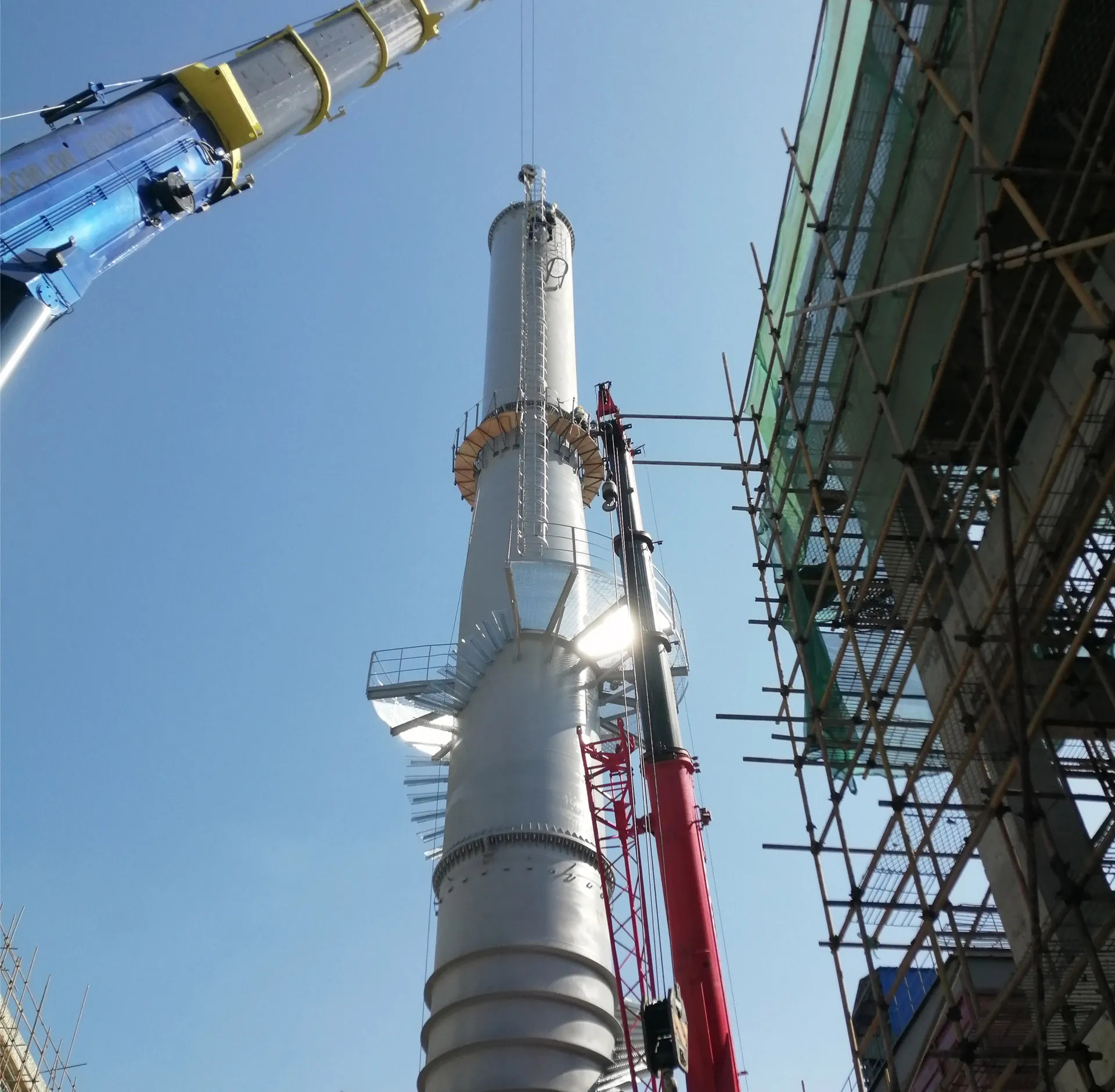
Country: Southeast Asia (MSW Facility)
Project Challenge: High humidity combined with acidic flue gas created severe corrosion risks, while the EPC schedule required fast delivery and installation.
Rainbow Solution: 316L stainless steel liner system, optimized multilayer insulation design, and modular prefabricated chimney sections to accelerate on-site assembly and ensure corrosion resistance.
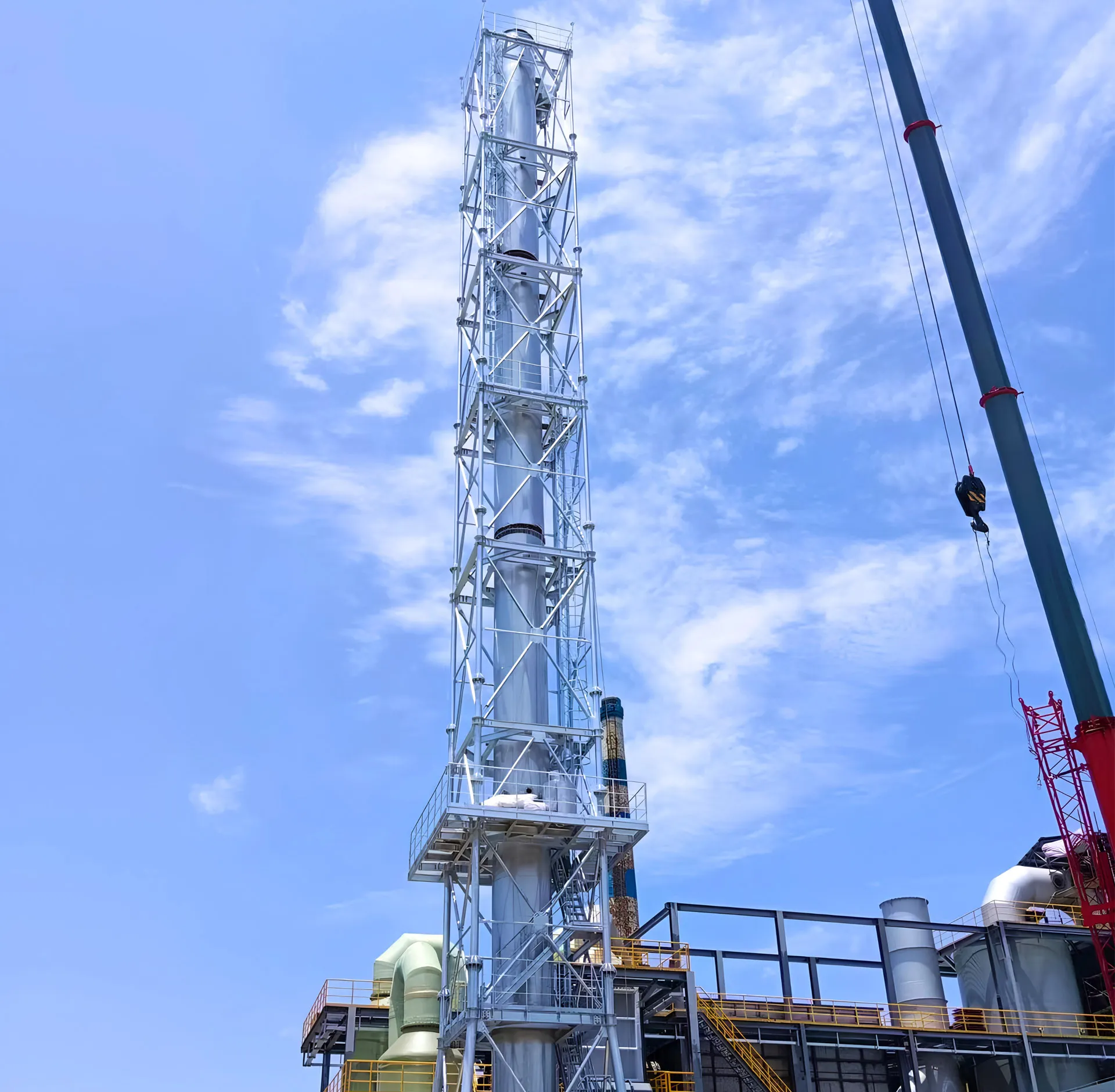
Country: Europe
Project Challenge::Continuous 24/7 operation generated significant thermal expansion and long-term structural stress on the chimney system.
Rainbow Solution:Advanced expansion joint engineering, detailed thermal stress analysis, and reinforced modular support structure to ensure stable long-term operation.
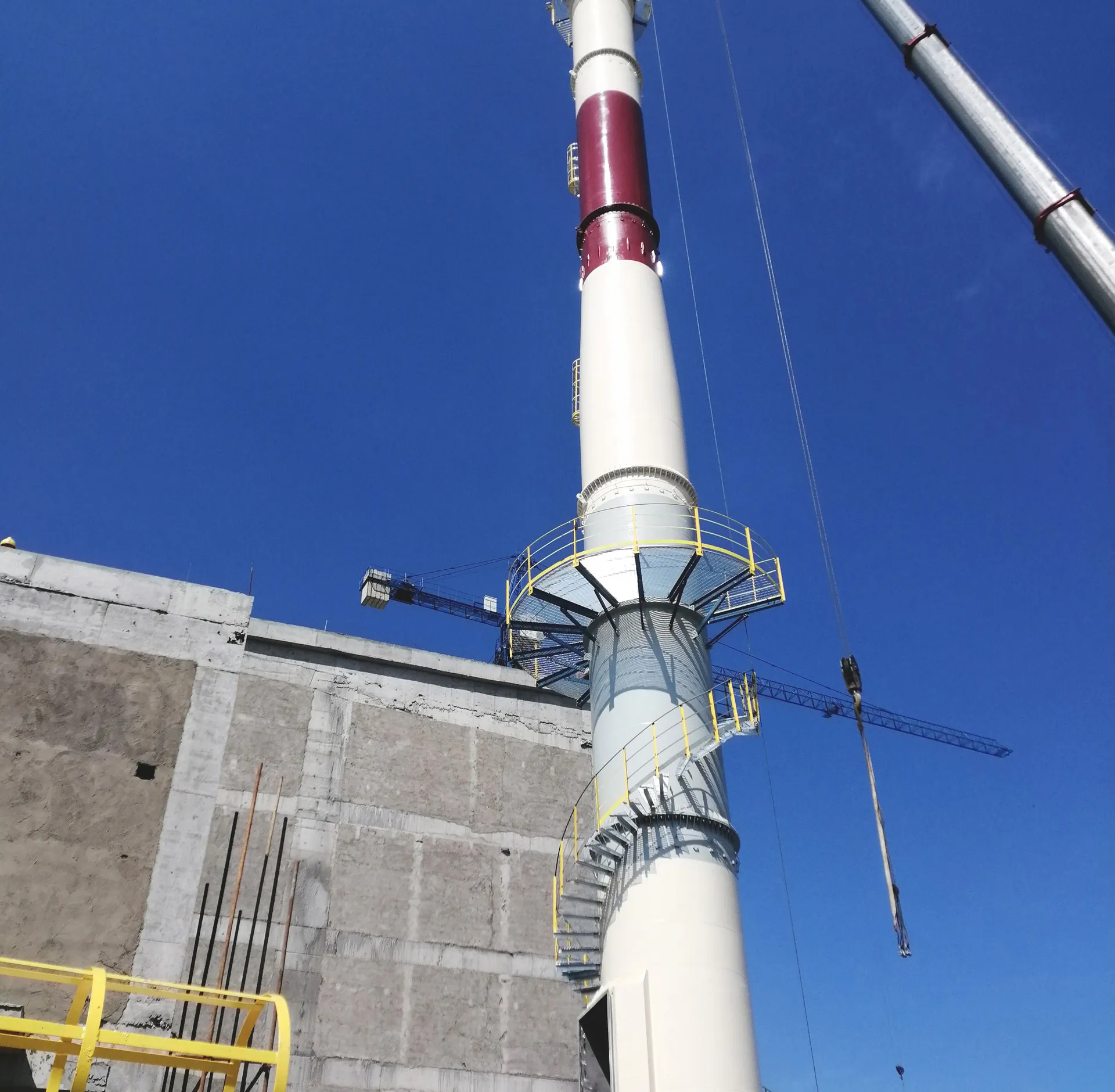
Country: Middle East
Project Challenge: A large-scale WTE facility required a high-rise chimney capable of meeting strict emission dispersion requirements under strong wind conditions.
Rainbow Solution: Comprehensive structural dynamic analysis, wind load engineering optimization, vibration control system, and fully integrated EPC coordination for safe high-altitude performance.
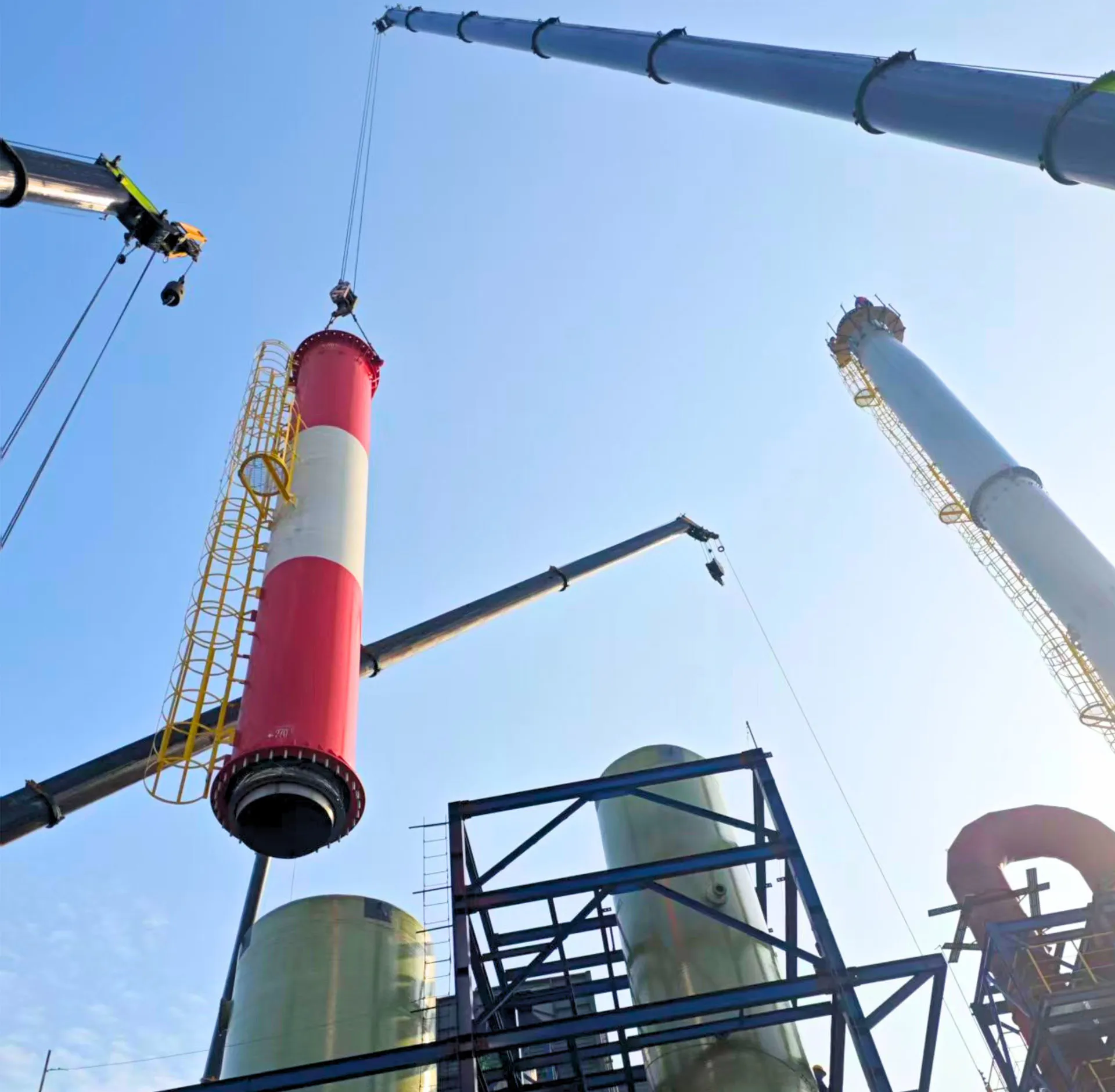
Country: South America
Project Challenge: High-temperature continuous operation combined with 120m height introduced complex challenges including thermal stress, wind load impact, and corrosion risk.
Rainbow Solution: Expansion joint system design, thermal stress optimization, modular steel structure, and enhanced anti-corrosion protection system to ensure long-term operational stability.
Country: Southeast Asia (MSW Facility)
Project Challenge: High humidity combined with acidic flue gas created severe corrosion risks, while the EPC schedule required fast delivery and installation.
Rainbow Solution: 316L stainless steel liner system, optimized multilayer insulation design, and modular prefabricated chimney sections to accelerate on-site assembly and ensure corrosion resistance.
Country: Europe
Project Challenge::Continuous 24/7 operation generated significant thermal expansion and long-term structural stress on the chimney system.
Rainbow Solution:Advanced expansion joint engineering, detailed thermal stress analysis, and reinforced modular support structure to ensure stable long-term operation.
Country: Middle East
Project Challenge: A large-scale WTE facility required a high-rise chimney capable of meeting strict emission dispersion requirements under strong wind conditions.
Rainbow Solution: Comprehensive structural dynamic analysis, wind load engineering optimization, vibration control system, and fully integrated EPC coordination for safe high-altitude performance.
Country: South America
Project Challenge: High-temperature continuous operation combined with 120m height introduced complex challenges including thermal stress, wind load impact, and corrosion risk.
Rainbow Solution: Expansion joint system design, thermal stress optimization, modular steel structure, and enhanced anti-corrosion protection system to ensure long-term operational stability.