What are you looking for?

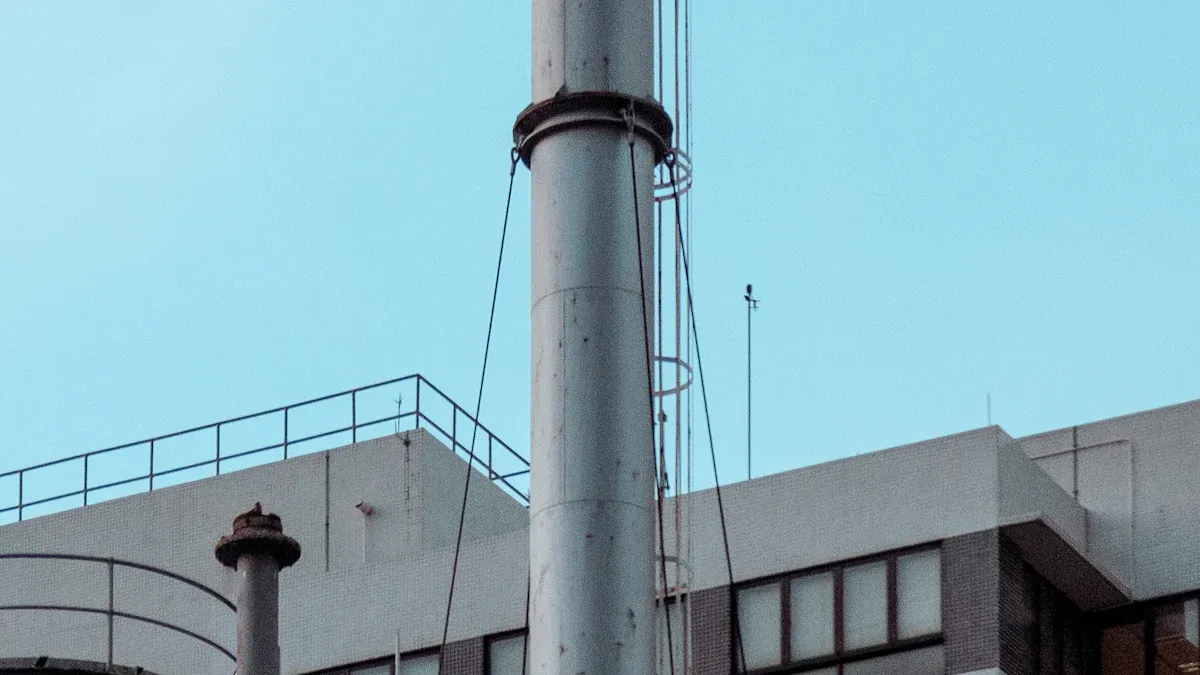
Image Source: unsplash
When you see a boiler chimney, you may notice different types. These types are used in many places around the world. Some types are self-supported, structurally supported, guy rope supported, cluster, tower, and landscaped chimneys. Each type has its own job in different places. Most projects use steel chimneys. Steel chimneys are used the most and have 44% of the market. Cement chimneys are next with 26%. Fiberglass chimneys have 20%. The RAINBOW brand makes special chimney solutions for every need.
Boiler chimneys have different types. These include self-supported, structurally supported, and guy rope supported. Each type is made for certain places and needs.
Self-supported chimneys are very strong. They last a long time. They are good for big factories and power plants. They help keep people safe. They also follow pollution rules.
Cluster chimneys use less space. They put many flues in one chimney. This is good for factories with lots of boilers. It makes setting up faster.
Picking the right chimney material is important. Stainless steel is a good choice. It makes chimneys last longer and work better. It can handle tough weather. It also needs less fixing.
Chimneys need to be checked often. This keeps them safe and working well. Experts say to check them at least once every year.
A self-supported chimney stands up by itself. It does not need extra help to stay up. You can see this type in big factories and power plant chimney design. The chimney is made from strong steel. This helps it stand against wind and bad weather. It lets out flue gases from boilers, furnaces, or generators. This design helps follow pollution rules. It also keeps workers safe.
Industry Sector | Reason for Installation |
|---|---|
Various Industrial Sectors | To vent smoke and gases from boilers, furnaces, and generators. This helps follow pollution laws and keeps workers safe. |
Industrial Facilities | To meet strict pollution laws and protect employees' health. |
For structural details, materials and project examples, see RAINBOW's self-supported chimney solution.
A structurally supported chimney uses nearby buildings or frames for support. You might see it attached to a wall or a steel tower. This design saves space. It also uses less material. You can use this chimney where you cannot build a wide base. It helps vent flue gases safely. It keeps the system steady.
A guy rope supported chimney uses strong cables called guy ropes. These ropes hold the chimney up. The ropes are tied to the ground around the chimney. This type is good for tall and thin chimneys. You can use it in open places with strong winds. The ropes help the chimney stay up in the wind. They keep the flue safe.
A cluster chimney puts many flues into one main structure. This saves space and makes it faster to build. You can use a cluster chimney in factories or power plants with many boilers. The RAINBOW Industrial Steel Chimney has advanced cluster designs. These chimneys use steel that does not rust. They are quick to install.
Feature | Standard Models | |
|---|---|---|
Stability | Yes | Varies |
Anti-Corrosion | Yes | Limited |
Economy | Yes | Varies |
Aesthetic Appeal | Yes | Varies |
Quick Installation | Yes | No |
Space Saving | Yes | No |
Easy to Dismantle | Yes | No |
Recyclable | Yes | No |
A cluster chimney works well by using hot air for electricity. Extra heat can make hydrogen. This system saves energy and money. The way the chimney is built changes how well it works. The best results come from the right angle and good sunlight.
Extra heat can be used to make hydrogen.
This system makes things work better and saves money.
You can pick a cluster chimney if you want to save space and have easy care.
A tower chimney uses a steel tower to hold one or more flue pipes. You often see this type in big industrial plants. The tower makes the chimney stronger and taller. RAINBOW has tower chimneys with strong steel and coatings that stop rust. You can use a tower chimney to vent gases from many boilers in one place. This design helps you follow safety and emission rules.
A landscaped chimney matches the buildings and area around it. You might see this type in cities or industrial parks. RAINBOW's landscaped chimneys look nice and work well. These chimneys meet emission rules and look good too. The design helps your building fit in with city rules. It can even become a special spot in the area.
Note: RAINBOW's landscaped industrial steel chimneys work well and look good. They help you meet emission rules and make your building look better.
You can choose a landscaped chimney if you want good performance and a nice look.
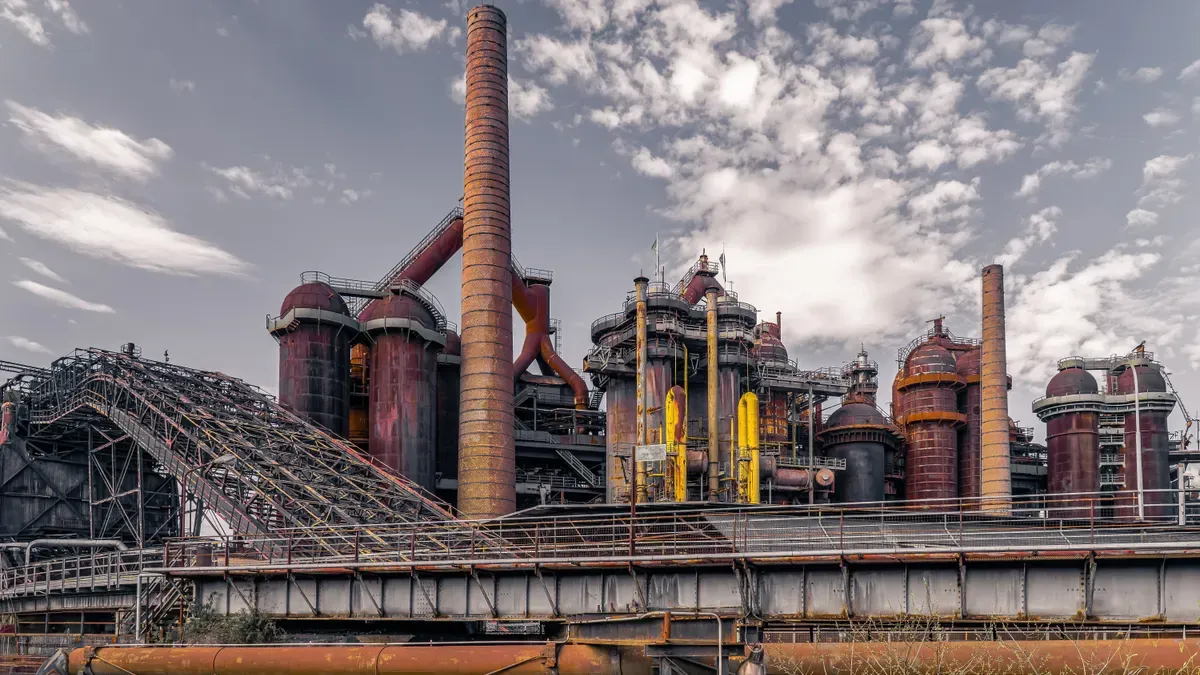
Image Source: pexels
Boiler chimneys are used in many factories. Power plants need chimneys that can handle lots of hot exhaust. Manufacturing plants need chimneys that do not get damaged by chemicals like sulfuric acid. Hospitals and universities often change their boilers, so they need chimneys that can be changed easily. Sometimes, factories must change the chimney shape for new ways of burning fuel. There are strict rules about how tall chimneys must be and what they are made of. These rules help control pollution and protect the environment. RAINBOW makes special chimneys for each place. These chimneys meet CE, UL, and ISO rules.
Power plants need strong chimneys for very hot gases.
Manufacturing plants need chimneys that do not rust.
Hospitals and schools need chimneys that are easy to upgrade.
Factories must follow pollution laws for their chimneys.
Tip: RAINBOW's special chimney designs help you follow the rules and keep workers safe.
You see boiler chimneys in hotels, hospitals, and offices. Commercial chimneys must save energy. Some boilers, like condensing ones, need special sizes and materials for their chimneys. RAINBOW gives double-wall insulation and easy-to-build chimneys. You can pick cluster or tower chimneys to save space and make cleaning easy. These chimneys help you control pollution and follow local rules.
Hotels and hospitals need chimneys for their boilers and generators.
Offices need chimneys that are quick to put together.
Commercial buildings must follow pollution rules.
Note: RAINBOW's chimneys help protect the environment and work well.
People use boiler chimneys at home to stay warm safely. The venting system of residential chimney must be built the right way. Draft hoods help air move safely. Local rules say how chimneys should be set up. RAINBOW has flue systems for all kinds of fuel. You can add a carbon monoxide alarm for more safety.
Homes need chimneys that follow local rules.
Draft hoods help keep air moving safely.
Chimneys must match the maker's instructions.
Reminder: RAINBOW's chimneys help keep your home safe and warm.
You should think about what your chimney is made of. The right material helps your chimney last longer. It also makes your chimney work better. Here is a table that shows common materials and how strong they are:
Material Type | Key Features | Durability Impact |
|---|---|---|
Mild Steel (MS) | Cheap, needs a coating, good for medium jobs | Needs care often to last |
RCC | Very strong, does not rust, good for big factories | Lasts long because it is tough |
Stainless Steel | Handles bad gases, easy to care for, used in special places | Very strong, needs little care |
Twin-Wall/Insulated | Stops water drops, good for high heat | Lasts longer by stopping damage |
RAINBOW uses stainless steel and good insulation in its chimneys. This means your chimney can handle heat, weather, and chemicals.
You want a chimney that is easy to put up and take care of. RAINBOW’s designs make installation quick and simple. You can pick systems that fit many places. Taking care of these chimneys is easier too.
Anti-corrosion technology helps your chimney last longer. Here are some ways it helps you:
Gets rid of tough rust and keeps your chimney clean.
Helps heat move better so your system works well.
Makes your system work better and keeps parts safe.
Stops rust and corrosion with a special cover.
Keeps your chimney working and saves money on fixes.
Tip: Check and clean your chimney often to keep it safe and working well.
Safety is very important for any boiler chimney. You must make sure your chimney follows the rules in your country. RAINBOW chimneys have top certifications like CE, UL, and ISO. Here is a table that shows some safety standards in different places:
Region | Boiler Code | Key Verification Document |
|---|---|---|
US | ASME BPVC Section I & IV; ASME CSD-1 | Code Symbol Stamp; Data Report; Registration number |
EU | PED 2014/68/EU; EN 12953 | Declaration of Conformity; Notified body certificate |
India | Indian Boiler Regulations (IBR) | IBR inspection certificate |
China | GB/TSG; GB 13271 | Factory inspection; Pressure test certificate |
RAINBOW follows these rules to keep you safe and help you follow local laws. You can trust your chimney will work well and keep your building safe.
You now know about boiler chimney types and how they are used. Each type is made for a certain job, like in factories or homes. When picking a chimney, think about your space and safety rules. Also, check what heating you need. RAINBOW gives special choices for better safety and performance. These features help a lot:
Benefit | |
|---|---|
Corrosion-resistant material | Lasts longer and stays strong |
Efficient Ventilation | Improves heating and saves energy |
Safety Compliance | Keeps your building safe |
Easy Installation | Saves time and effort |
Pick the best chimney for your project. You will get good and steady results.
Pick a chimney by looking at your building size. Think about what fuel you use. Check the rules in your area. Self-supported chimneys are good for factories. Cluster or tower chimneys help save space in crowded places. RAINBOW can make a special chimney for what you need.
Check and clean your chimney at least once every year. Taking care of it stops blockages and keeps things safe. If you use your chimney a lot, check it more often.
Tip: It is best to check your chimney before winter starts.
Yes, RAINBOW chimneys have CE, UL, and ISO certificates. These show the chimneys are safe and high quality. You can trust your chimney to work well anywhere.
Yes, you can use RAINBOW chimneys in factories, offices, hotels, and homes. The company has designs for all types of places. You get a strong, safe, and good system.
RAINBOW uses stainless steel and special insulation. These materials stand up to heat, rust, and bad weather. Your chimney will last longer and need less fixing.

Wang Yong
Chairman
"True progress rises when industry respects the sky it touches."