What are you looking for?

A reliable generator is essential for industries, commercial buildings, hospitals, data centers, hotels, and backup power systems. However, even the best generator cannot operate safely or efficiently without a properly designed generator flue system. Choosing the right generator chimney directly impacts exhaust efficiency, operational safety, equipment lifespan, noise control, and environmental compliance.
Whether you are installing a diesel generator for industrial use or designing a large-scale power backup system, understanding how to choose the correct generator flue systems is critical. In this guide, we will explain the key components, selection factors, materials, installation considerations, and how to choose reliable flue manufacturers such as Rainbow for long-term performance.
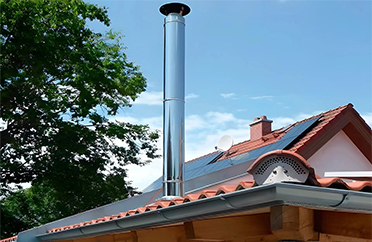
A generator flue is the exhaust system that safely removes combustion gases produced by generators. It transports harmful gases such as carbon monoxide, nitrogen oxides, and hot exhaust fumes away from the generator and building.
Generator flue systems are designed to:
Remove toxic exhaust gases safely
Reduce back pressure on the engine
Improve generator efficiency
Minimize noise and vibration
Protect nearby equipment and personnel
Meet local environmental and fire regulations
Modern generator flue systems are commonly manufactured using stainless steel because of its heat resistance, corrosion resistance, and durability.
Selecting the wrong generator chimney can lead to serious operational problems. A poorly designed exhaust system may cause:
Engine overheating
Excessive back pressure
Reduced fuel efficiency
Increased emissions
Noise pollution
Safety hazards
Premature generator failure
A properly engineered generator flue system improves generator performance while ensuring compliance with industrial safety standards.
For example, in hospitals or data centers where backup power reliability is critical, choosing a high-quality exhaust system from trusted flue manufacturers like Rainbow can significantly reduce maintenance risks and downtime.
Understanding the main components helps buyers choose the most suitable system configuration.
| Component | Function |
|---|---|
| Exhaust Pipe | Transfers exhaust gases away from the generator |
| Silencer | Reduces generator noise |
| Flexible Connector | Absorbs vibration and thermal expansion |
| Insulation Layer | Prevents heat loss and improves safety |
| Rain Cap | Prevents water entry |
| Chimney Stack | Directs exhaust gases upward |
| Support Brackets | Stabilize the flue system |
| Drain System | Removes condensation from exhaust pipes |
A complete generator flue exhaust system should be designed as an integrated solution rather than selecting parts individually.
The exhaust system must match the generator's power output. Larger generators produce more exhaust volume and require larger-diameter flues.
Undersized flues can increase engine back pressure, reducing performance and damaging the engine over time.
Always check:
Generator power rating
Exhaust gas temperature
Exhaust flow rate
Engine manufacturer recommendations
Material quality determines durability, corrosion resistance, and service life.
| Material | Advantages | Disadvantages |
|---|---|---|
| Stainless Steel 304 | Good corrosion resistance | Higher cost than galvanized steel |
| Stainless Steel 316 | Excellent corrosion resistance | Premium price |
| Galvanized Steel | Lower cost | Shorter lifespan |
| Carbon Steel | Strong structure | Requires coating protection |
For industrial and marine environments, stainless steel is usually the best option.
Rainbow recommends insulated stainless steel systems for applications involving high temperatures, humidity, or corrosive exhaust conditions.
Generator exhaust temperatures can exceed 500°C depending on engine load.
Choose a flue system capable of handling:
Continuous high temperatures
Thermal expansion
Rapid temperature fluctuations
Double-wall insulated chimneys are often preferred for commercial and industrial installations.
Back pressure is one of the most important technical considerations.
Excessive back pressure can:
Reduce engine efficiency
Increase fuel consumption
Cause overheating
Shorten engine life
A properly sized generator flue exhaust system minimizes airflow resistance and maintains stable engine operation.
Noise control is critical in urban, commercial, and residential installations.
High-quality silencers help reduce:
Exhaust noise
Vibration
Acoustic pollution
When selecting a system, consider:
Residential noise limits
Industrial noise standards
Generator operating hours
Rainbow provides customized silencer solutions for low-noise generator installations.
Indoor and outdoor installations require different designs.
Need protection against:
Rain
Wind
Corrosion
UV exposure
Require:
Proper ventilation
Fireproof insulation
Safe exhaust routing
Compliance with building codes
The installation environment directly affects flue material selection and insulation requirements.
Different countries and industries have specific regulations regarding:
Emissions
Fire safety
Noise control
Chimney height
Air quality standards
Reliable flue manufacturers provide products compliant with:
ISO standards
EN standards
UL certifications
Local building code
Stainless steel, especially 304 or 316 grade, is generally considered the best material because of its excellent corrosion resistance, heat resistance, and long service life.
Yes, but indoor installations require proper ventilation, fire-resistant insulation, and compliance with local building and safety regulations.
Insulation improves safety, reduces heat loss, minimizes condensation, and enhances system efficiency.
Choosing the right generator flue is important for safety, efficiency, and long-term generator performance. Factors such as material quality, insulation, noise reduction, and proper system design all affect the reliability of the exhaust system. Working with experienced flue manufacturers like Rainbow can help ensure high-quality products and professional support for different industrial and commercial applications. A well-designed generator chimney system not only improves operational safety but also helps reduce maintenance costs and improve overall efficiency.

Wang Yong
Chairman
"True progress rises when industry respects the sky it touches."