What are you looking for?

Proper boiler chimney design plays a vital role in ensuring efficient smoke emission, maintaining safety, and prolonging system longevity. As an industry leader, Suzhou RAINBOW Environmental Equipment Co., Ltd. specializes in high-performance chimney solutions for industrial, commercial, and residential applications. With decades of expertise in gas emission systems, RAINBOW provides engineers and facility managers with key insights into designing boiler chimney that meet environmental standards while optimizing thermal efficiency.
A well-designed boiler chimney system must account for various technical factors to ensure smooth flue gas discharge, prevent backdraft, and minimize corrosion risks. Proper chimney sizing, material selection, and structural support are critical for efficiency and safety. RAINBOW's industry experience shows that an underperforming boiler chimney design can lead to excessive fuel consumption, harmful emissions, and even structural damage due to condensation or heat stress. The height, diameter, and insulation properties must be carefully calculated based on the boiler's capacity, fuel type, and local environmental regulations.
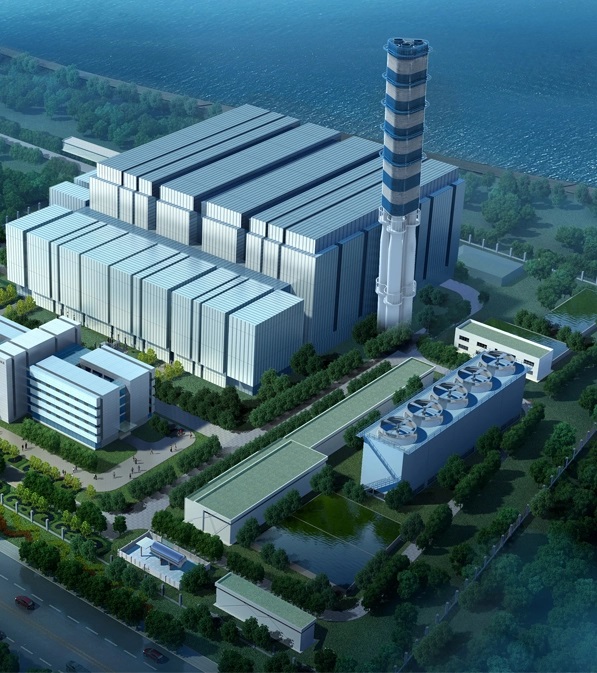
Material selection significantly influences durability and efficiency in boiler chimney design. RAINBOW's expertise in corrosion-resistant and high-temperature solutions guides engineers in choosing the right construction materials:
Stainless steel chimneys (Grade 316L or 304) provide exceptional corrosion resistance against acidic condensates in gas-fired boilers.
Galvanized steel chimneys offer cost-effective solutions for lower-temperature industrial applications.
Double-wall insulated designs minimize heat loss, preventing early condensation and improving draft efficiency.
Ceramic or refractory-lined chimneys withstand extremely high temperatures in heavy industrial settings.
RAINBOW's advanced manufacturing facilities produce boiler chimney using premium materials that comply with international performance and safety standards.
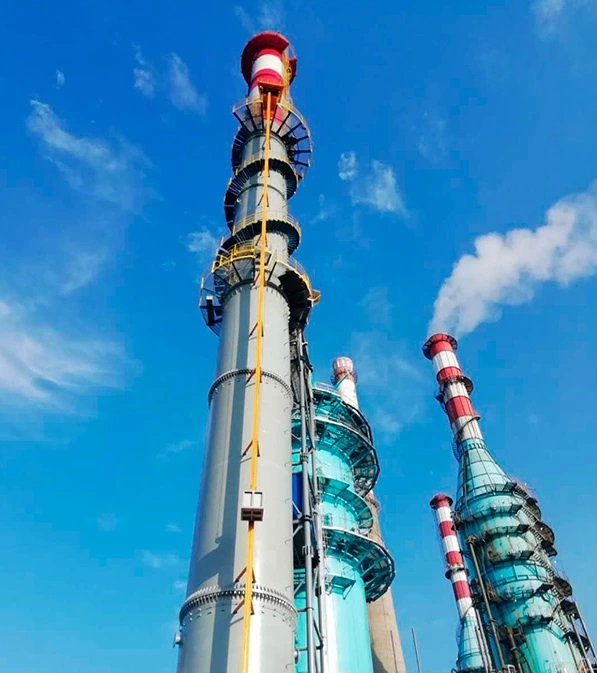
A properly designed boiler chimney must maintain adequate draft to ensure optimal combustion and emissions control. Key considerations include:
Height & Diameter: A taller chimney enhances natural draft, while correct diameter sizing prevents excessive resistance.
Flue Gas Temperature: Impacts buoyancy—excessively cool gases reduce draft while overheated gases waste energy.
Insulation Quality: Minimizes condensation and sustains thermal draft efficiency.
Wind & Weather Factors: External conditions influence backflow risks, requiring wind-resistant structural designs.
RAINBOW engineers tailor boiler chimney systems to balance these variables for maximum combustion efficiency and pollutant dispersion.
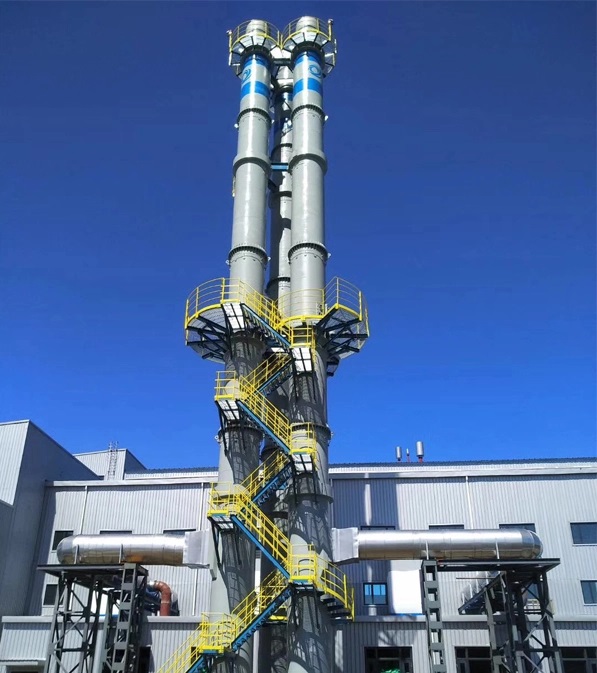
Understanding the evolution of boiler chimney design helps industries upgrade to more efficient and eco-friendly systems:
Feature | Traditional Steel Chimneys | Modern Insulated Stainless Steel Chimneys |
Material | Galvanized or mild steel | High-grade stainless steel (316L/304) with insulation |
Thermal Efficiency | High heat loss | Excellent insulation minimizes heat dissipation |
Condensation Risk | High (metal fatigue) | Low (insulated & weather-protected) |
Environmental Compliance | Basic pollution control | Optimized for low emissions & energy recovery |
RAINBOW's modern boiler chimney solutions outperform traditional designs in durability, efficiency, and regulatory compliance.
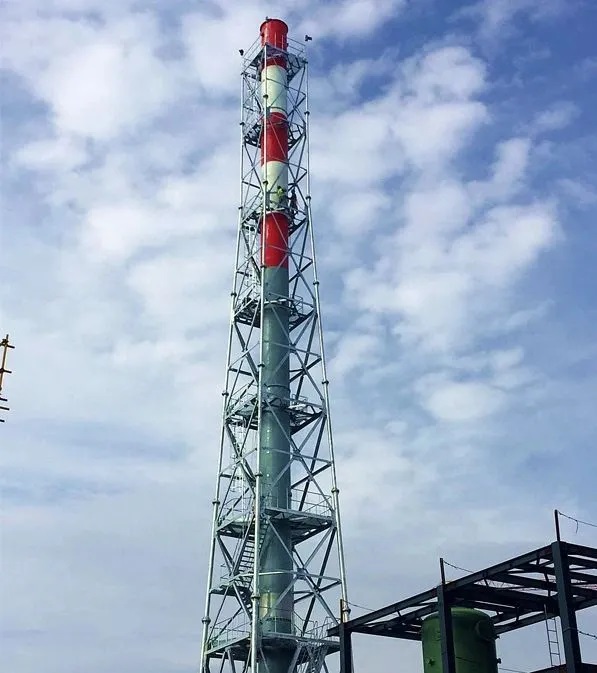
With subsidiaries in Germany (ES) and the U.S. (EV), Suzhou RAINBOW provides customized boiler chimney design that adapts to regional regulations and unique industry demands. The company's global experience ensures that each chimney system is optimized for:
Industrial boilers requiring high-temperature and acid-resistant stacks.
Commercial heating systems needing compact, modular chimney solutions.
Residential boiler applications where sleek, low-maintenance designs are preferred.
RAINBOW's integrated R&D and manufacturing capabilities enable the production of boiler chimneys that exceed international standards in performance, safety, and sustainability.

Wang Yong
Chairman
"True progress rises when industry respects the sky it touches."