What are you looking for?

In modern power generation facilities, a generator chimney plays a vital role in maintaining safe and stable operations. It is responsible for directing high-temperature exhaust gases away from the generator, protecting both the equipment and the surrounding environment. Without a properly designed exhaust system, heat buildup and emissions could compromise generator performance and longevity. Companies such as Rainbow focus on developing durable and efficient generator chimneys that combine advanced materials with precise engineering, ensuring long-term structural reliability.
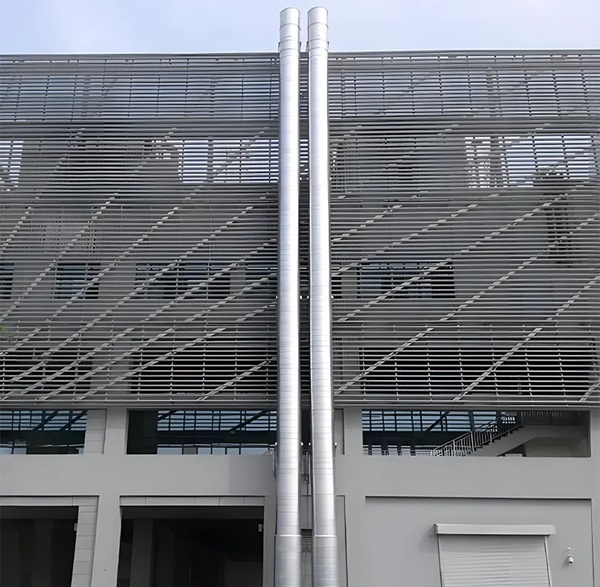
When designing a generator chimney (also called a genset chimney), engineers typically evaluate exhaust gas temperature, flow rate, allowable backpressure, and installation route. In many projects, the chimney must also coordinate with silencers, flexible connectors, condensate management, and safe clearance requirements. These factors determine whether the system delivers a stable draft while protecting the genset from performance losses caused by excessive resistance.
The effectiveness of a generator chimney directly affects the efficiency of power generation equipment. Creating a smooth passage for exhaust gases, it prevents backpressure that could otherwise lead to performance fluctuations. An optimized chimney design also minimizes vibration and noise, ensuring more stable operation. This contributes to the overall durability of the generator, reducing the frequency of maintenance interventions. Rainbow's engineering approach emphasizes chimney systems that not only manage emissions but also enhance the stability and productivity of generators.
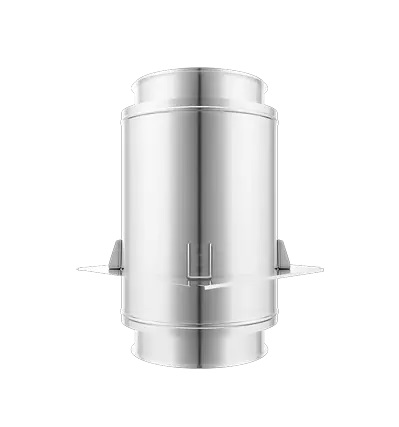
For genset systems, backpressure is not a theoretical issue—it directly affects power output stability, fuel efficiency, and engine health. An optimized generator chimney design balances pipe diameter, total height, bends/tees, and terminal selection to keep exhaust flow smooth. This helps reduce operational fluctuations and supports longer service intervals.
Although both generator chimneys and industrial chimneys handle exhaust emissions, their design objectives and performance requirements differ. A generator chimney is tailored specifically for power systems, where continuous stability and efficiency are critical.
Aspect | Generator Chimney | Standard Industrial Chimney |
Primary Application | Dedicated to generator exhaust systems | Used for factories, boilers, and other facilities |
Operational Focus | Ensures generator stability and efficiency | Focuses on handling large-scale industrial emissions |
Design Considerations | Optimized for heat management and backpressure control | Optimized for volume and resistance to chemicals |
Installation Complexity | Compact and adaptable for generator systems | Larger, often requiring more extensive groundwork |
Maintenance Requirements | Designed for frequent operation and reliability | Maintenance varies depending on industrial use |
This comparison highlights why a generator chimney is indispensable in power facilities where stability and precision are priorities.

Beyond supporting operational stability, a generator chimney also plays a critical role in environmental protection. Proper design ensures that emissions are dispersed safely and efficiently, reducing the impact on surrounding communities. High-quality materials and coatings provide resistance to corrosion from exhaust gases, ensuring safety over time. For power plants and commercial installations, compliance with environmental standards is as essential as operational performance, and generator chimneys form the foundation of this compliance. Rainbow incorporates advanced smoke treatment and monitoring options into its chimney solutions, further supporting sustainable development.
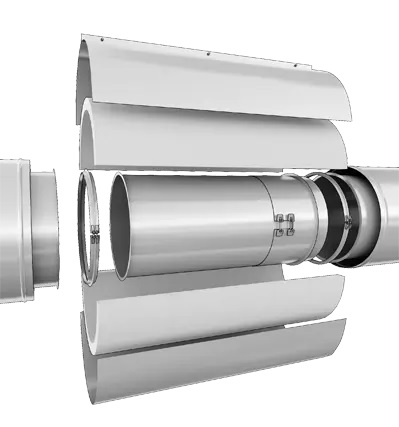
Because exhaust streams may contain moisture and corrosive components, a generator chimney often requires corrosion protection through suitable material selection and surface treatment. Depending on project conditions, options can include stainless steel sections, coated carbon steel, and insulated configurations to reduce condensation risk—especially in colder climates or intermittent operation scenarios.
As compliance requirements tighten, many power facilities prefer chimney systems that allow easier inspection and future upgrades. Practical features such as access points, modular sections, and monitoring-ready layouts can reduce downtime during routine checks and make long-term maintenance more predictable.
As energy systems continue to evolve, the role of a generator chimney will become increasingly significant. With the rising demand for cleaner energy and stricter environmental regulations, chimney systems must integrate new technologies such as smart monitoring and emission control devices. This integration not only enhances safety but also supports the efficient use of resources. Generator chimneys designed with forward-looking technologies ensure that power generation facilities remain reliable, efficient, and environmentally responsible in the long term.
They refer to the same concept in most projects: a chimney/exhaust stack designed for generator (genset) exhaust discharge and performance stability.
Excessive backpressure can reduce engine efficiency, increase operating stress, and cause unstable performance. Proper sizing and routing help maintain a stable exhaust flow.
Typical inputs include engine model or exhaust outlet data, exhaust temperature, flow rate, allowable backpressure, route layout (bends/length), and site conditions.
Yes. With correct routing and coordination with silencers, supports, and flexible connectors, the exhaust system can reduce transmitted vibration and improve operational stability.

Wang Yong
Chairman
"True progress rises when industry respects the sky it touches."