What are you looking for?

A twin wall flue is an essential component of modern heating systems, designed to safely and efficiently channel smoke and gases from stoves, fireplaces, or boilers. Unlike single wall flues, twin wall flue systems offer superior insulation, improved draft, and enhanced safety, making them a preferred choice for both residential and commercial applications.
As a trusted twin wall flue manufacturer, RAINBOW provides high-quality twin wall flue systems that meet regulatory standards, ensure durability, and optimize performance. This article covers everything you need to know about twin wall flues, including their function, regulations, installation, and benefits.
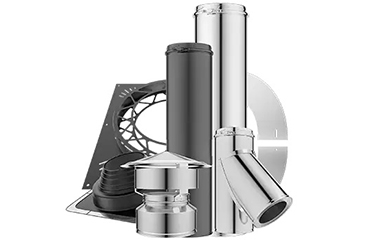
A twin wall flue system consists of two concentric metal pipes—an inner pipe carrying combustion gases and an outer pipe that provides insulation. This design allows the flue to maintain a higher flue gas temperature, reducing condensation and ensuring efficient extraction of smoke and gases.
Key Components of a Twin Wall Flue System:
| Component | Function | Features | RAINBOW Example |
|---|---|---|---|
| Inner Pipe | Channels flue gases from the stove or fireplace | High-temperature resistant stainless steel | 316-grade stainless steel inner pipe |
| Outer Pipe | Provides insulation and protects surrounding structures | Double-walled, heat-resistant | Galvanized steel or powder-coated outer pipe |
| Insulation Layer | Maintains temperature and prevents heat loss | Rock wool or ceramic fiber | 25mm–50mm insulation options available |
| Support Brackets & Connectors | Stabilizes the flue and ensures leak-free joints | Adjustable, corrosion-resistant | RAINBOW adjustable brackets and sealing gaskets |
Tip: Proper insulation in a twin wall flue system reduces soot buildup, enhances draft, and ensures safe operation even in enclosed spaces.
Twin wall flues work by using the inner pipe to carry combustion gases to the outside while the outer pipe provides thermal insulation and structural safety. The insulation layer between the pipes keeps the outer surface cooler and minimizes heat loss, preventing condensation of flue gases.
Operational Highlights:
Efficient Draft: Insulation keeps flue gases hot, ensuring a consistent upward draft.
Condensation Prevention: Higher temperature reduces water vapor condensation, avoiding corrosion and soot.
Safety: Cooler external surface reduces fire hazards when passing through walls or ceilings.
Compliance with local building codes and safety regulations is critical for any twin wall flue installation.
| Regulation Aspect | Requirement | Notes |
|---|---|---|
| Clearances | Maintain minimum distance from combustible materials | Usually 50–100mm depending on flue type |
| Material Standards | Stainless steel inner pipe; insulated outer pipe | Must meet ISO or EN standards |
| Roof Penetration | Proper flashing and sealing required | Ensures weatherproofing and fire safety |
| Ventilation | Adequate airflow around the flue | Prevents overheating and structural damage |
RAINBOW twin wall flue systems are manufactured to comply with these regulations, simplifying certification and safe installation.
Safety: Reduced risk of fire due to insulated outer wall.
Efficiency: Maintains high flue gas temperatures, improving stove performance.
Durability: Resistant to corrosion and high temperatures.
Versatility: Suitable for wood, pellet, and multi-fuel stoves.
Easy Installation: Modular system with adjustable components and connectors.
Proper installation is crucial for safety and performance.
Installation Guidelines:
Planning: Determine the correct route for the flue, considering roof penetration and clearances.
Assembly: Connect inner and outer pipes using supplied connectors; ensure insulation layer is intact.
Support: Use brackets to stabilize vertical sections and secure horizontal runs.
Sealing: Apply gaskets and sealants at joints to prevent leaks.
Inspection: Verify compliance with local building codes before use.
Tip: Professional installation is recommended for optimal safety and system longevity. RAINBOW provides guidance and support for certified installation.
| Feature | Twin Wall Flue | Single Wall Flue |
|---|---|---|
| Insulation | Yes, outer insulated layer | No insulation |
| External Temperature | Cooler, safer near combustible materials | Hot, higher fire risk |
| Draft Efficiency | High, consistent | Lower, prone to condensation |
| Installation | Slightly more complex | Simpler, but requires more clearance |
| Durability | Long-lasting stainless steel inner pipe | Moderate, higher maintenance |
| Manufacturer Example | RAINBOW | Various manufacturers |
A twin wall flue is a double-walled flue system designed to safely channel flue gases from stoves or boilers while providing insulation and safety.
Twin wall flues provide better insulation, higher efficiency, lower condensation, and safer installation near combustible materials.
They are used in residential and commercial heating systems, wood-burning stoves, fireplaces, and multi-fuel applications where safety, efficiency, and durability are critical.
Twin wall flues are a modern solution for safe and efficient smoke and gas evacuation from heating appliances. With superior insulation, draft efficiency, and fire safety, they outperform single wall flues in virtually every metric.
Selecting one of trusted twin wall flue manufacturers like RAINBOW ensures compliance with regulations, durable performance, and hassle-free installation. For homeowners and commercial operators alike, investing in a RAINBOW twin wall flue system guarantees safety, efficiency, and peace of mind.

Wang Yong
Chairman
"True progress rises when industry respects the sky it touches."