What are you looking for?

The performance of an industrial steel chimney depends primarily on the materials used and the structural integrity of its design. Since chimneys are constantly exposed to high temperatures, strong winds, and corrosive gases, manufacturers must ensure the use of high-grade steel with excellent anti-corrosion properties. Companies like Rainbow, with decades of expertise, design chimneys that maintain stability under severe operating conditions, reducing maintenance needs and extending service life. The thickness of the steel, the strength of the welds, and reinforcement in critical areas are all vital aspects that help industrial facilities achieve safe and reliable operation.
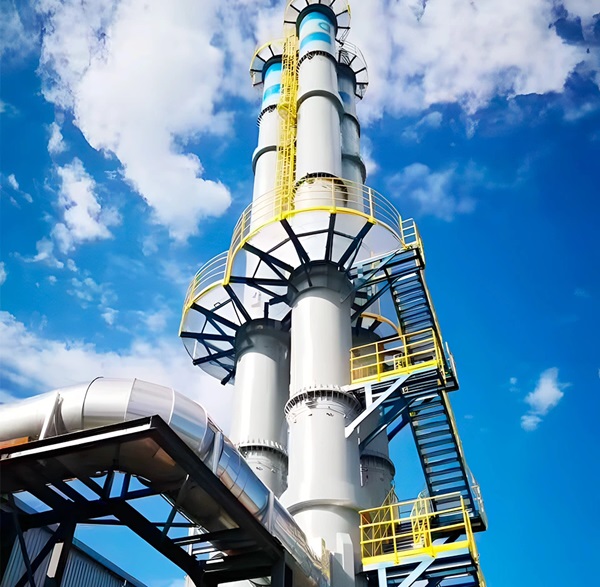
Another critical factor in chimney design is thermal efficiency, which directly influences energy conservation and safety. A well-insulated chimney minimizes heat loss while preventing external surfaces from becoming excessively hot. Many industrial chimney manufacturers use double-layer or prefabricated insulation systems to ensure that heat is retained inside the chimney while maintaining external durability. In addition, effective insulation enhances combustion efficiency, improves exhaust gas flow, and reduces the environmental footprint of the entire system. Rainbow's advanced engineering practices place strong emphasis on balancing thermal efficiency with durability, making their solutions both practical and sustainable.
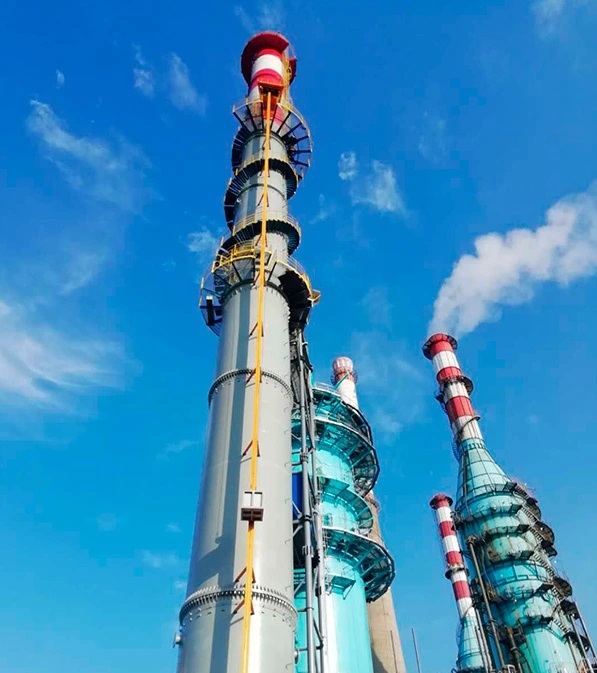
When analyzing the benefits of steel chimneys, it is useful to compare them with chimneys constructed from concrete or brick. Each material presents advantages, but the versatility of steel often makes it the preferred option for modern industry.
Aspect | Industrial Steel Chimney | Concrete/Brick Chimney |
Structural Weight | Lightweight, easier to install and transport | Very heavy, requires complex foundations |
Corrosion Resistance | High when designed with anti-corrosion steel | Moderate, requires frequent maintenance |
Flexibility in Design | Can be prefabricated and customized easily | Limited adaptability after construction |
Installation Speed | Fast due to modular construction | Slower due to heavy materials and curing times |
Service Life | Long with proper coatings and maintenance | Durable but prone to cracking and weathering |
This comparison highlights why many industries turn to industrial steel chimneys when seeking efficiency, safety, and adaptability.
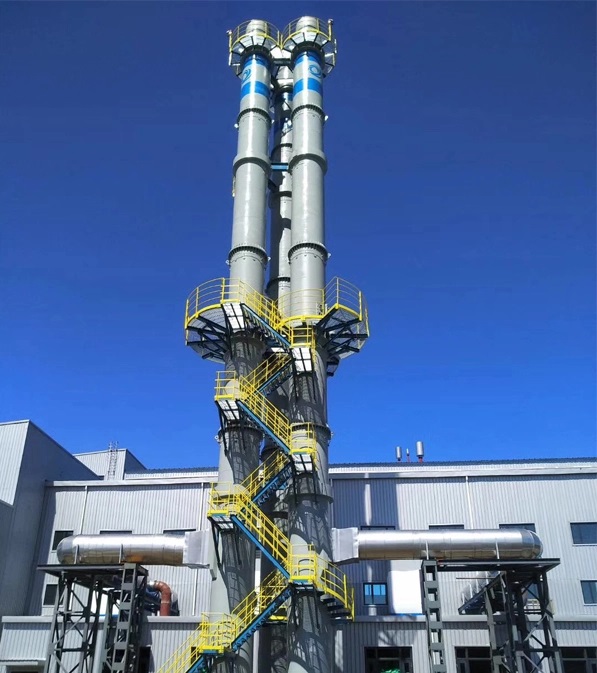
Modern chimney systems must not only handle the safe emission of gases but also meet strict environmental standards. To reduce the impact on urban and industrial areas, designs now incorporate smoke purification systems, emission monitoring devices, and advanced filtering technologies. These additions ensure compliance with environmental regulations while safeguarding surrounding communities. By integrating purification systems with the industrial steel chimney, companies can significantly lower particulate emissions and maintain a cleaner operational footprint. Manufacturers like Rainbow place sustainability at the forefront of their product development, ensuring that industrial facilities align with global environmental goals.
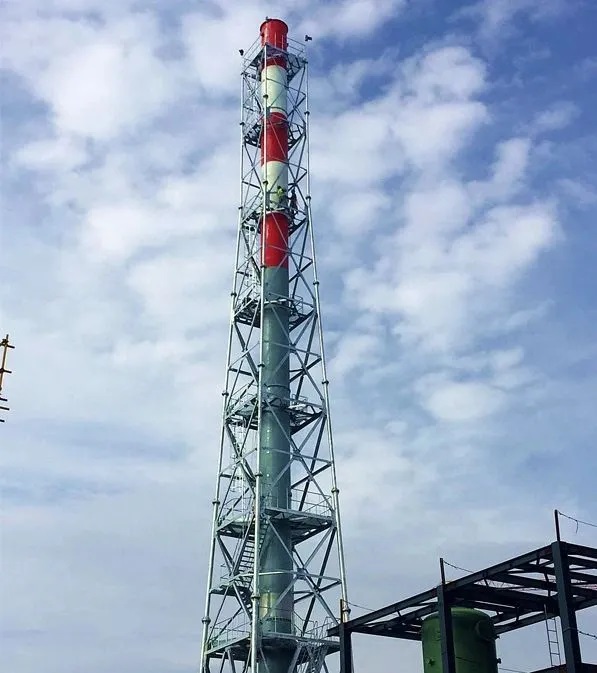
Efficiency in chimney systems is achieved not only through material choice and thermal management but also through innovation in monitoring and maintenance. Smart systems can now track performance, gas temperature, and emission levels in real time, allowing for preventive adjustments and reduced downtime. The design of an industrial steel chimney today is no longer limited to structural durability but extends to intelligent systems that improve overall industrial productivity. This shift reflects the evolving role of industrial chimney manufacturers, who are expected to provide not just equipment but comprehensive solutions for performance optimization and regulatory compliance.

Wang Yong
Chairman
"True progress rises when industry respects the sky it touches."