What are you looking for?
Chimney diameter is calculated based on flue gas volumetric flow rate, allowable system back pressure, and required exhaust velocity. In power plant applications, the design must ensure that the exhaust gas can be discharged efficiently without creating excessive resistance to the generator or boiler system.
Key engineering considerations include:
-Total flue gas flow from single or multiple engines
-Maximum allowable back pressure defined by equipment manufacturer
-Target exhaust velocity to prevent heat loss and condensation issues
-Multi-unit exhaust merging conditions (if applicable)
In engineering practice, chimney diameter is typically determined through flow balance analysis and system pressure drop calculations rather than simple empirical sizing.
Chimney height is primarily determined by environmental dispersion requirements, site conditions, and regulatory compliance standards.
Key factors include:
Local emission dispersion regulations (environmental compliance)
Terrain and surrounding building height
Flue gas temperature and buoyancy effect
Exhaust velocity and discharge requirements
Air quality impact assessment (AQIA) requirements in some regions
Higher chimney structures improve pollutant dispersion efficiency and help meet stricter environmental standards, especially in utility-scale power plants.
Chimney design directly influences exhaust resistance, which determines generator back pressure levels.
Poor design can increase system resistance due to:
-Undersized chimney diameter
-Excessive bends or flow restrictions
-Improper internal surface roughness
-Poor multi-engine exhaust merging design
High back pressure negatively affects generator performance by:
-Reducing combustion efficiency
-Increasing fuel consumption
-Causing engine overload or shutdown risks
A properly engineered chimney system ensures stable low-resistance flow to maintain optimal generator efficiency.
Material selection depends on flue gas temperature, corrosion level, and operational environment.
Common materials used in power plant chimney systems include:
-304 stainless steel: Suitable for standard natural gas applications with moderate temperature and low corrosion
-316L stainless steel: Recommended for used in continue high-temperature above 500℃,and corrosive environments with acidic condensation risk
-310S stainless steel: Used in continue high-temperature applications (typically above 800°C)
Special alloys (project-based): Used in extreme corrosion or high-temperature conditions
Proper material selection is based on flue gas composition analysis and expected long-term operating conditions, not only temperature alone.
Thermal expansion is a critical design factor in continuous high-temperature operations.
It is managed through a combination of engineering solutions:
-Expansion joints to absorb axial movement
-Sliding support systems to allow controlled displacement
-Structural flexibility in modular connections
Stress analysis during design stage to predict movement behavior
These measures ensure that the chimney structure remains stable and free from thermal stress damage during long-term operation.
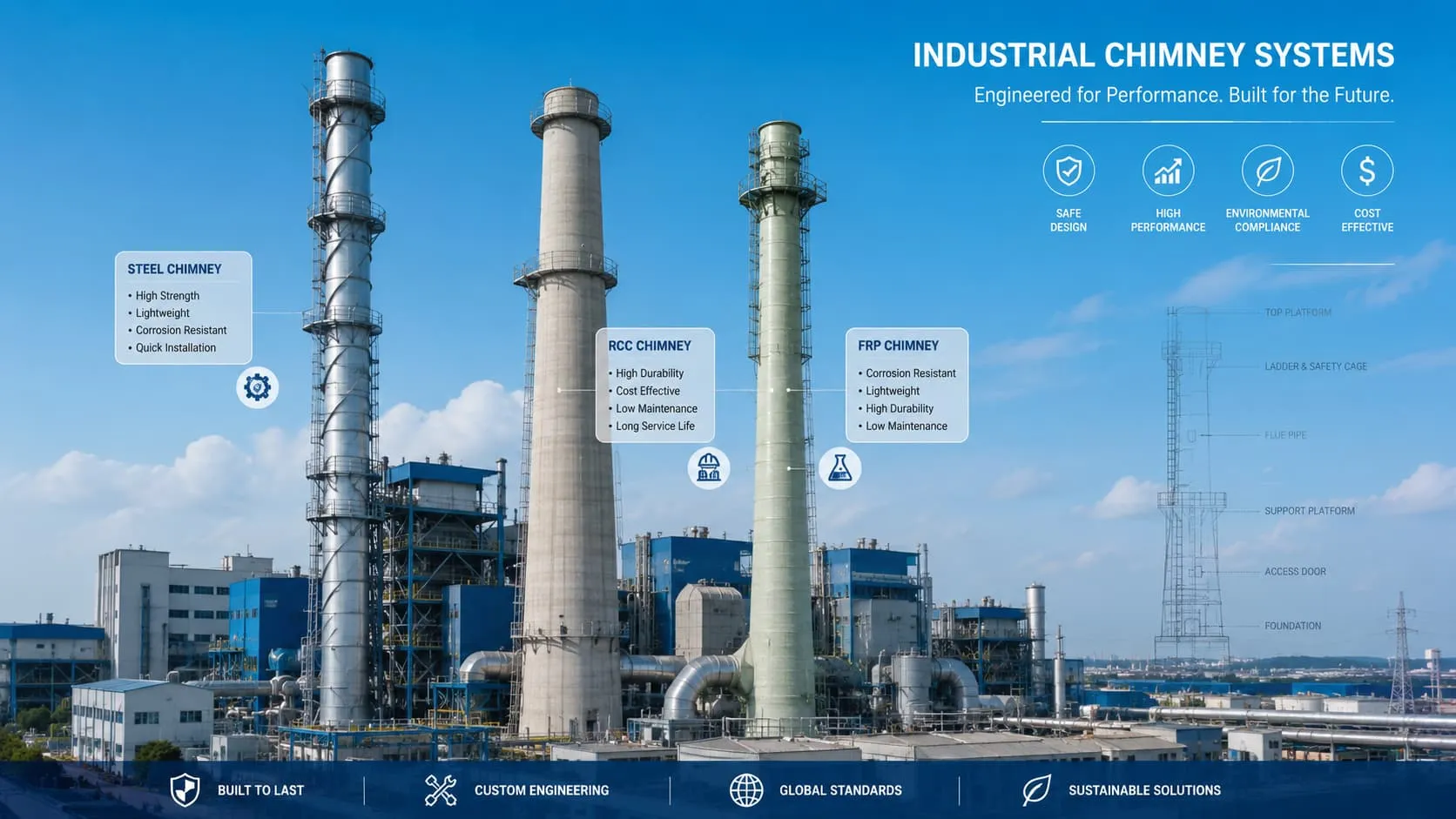
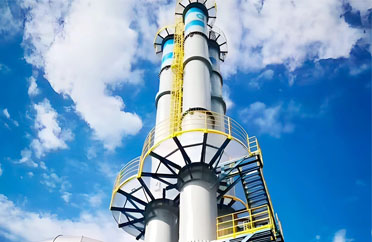
Tall chimney systems typically use different structural configurations depending on site conditions and load requirements:
-Self-supporting steel chimney: Independent structure suitable for moderate to high heights
-Guyed chimney system: Supported by tension cables, suitable for very tall structures with lower material usage
-Tower-supported chimney: Installed on steel or concrete towers for enhanced stability in extreme wind or seismic zones
Key design factors include:
-Wind load conditions
-Seismic zone classification
-Foundation capacity
-Installation site constraints
Structural system selection is based on engineering load analysis rather than standard configuration.
Yes. Rainbow provides full installation engineering support for EPC power plant projects.
Support typically includes:
-Detailed installation drawings and assembly sequences
-Modular segmentation design optimized for lifting and transportation
-On-site technical guidance for critical installation stages
-Coordination support with EPC contractors during commissioning
The goal is to ensure that the engineered design can be efficiently and safely implemented under real site conditions, reducing installation risks and project delays.